Woo Review for CA: Player Reputation, Pros, Cons, and What Matters Most
Woo is one of those casino brands Canadian players often come across while looking for a CAD-friendly place to play slots, live casino games, or a quick bonus offer. The reputation question is important, though, because “Woo” is not just a name; it sits inside the wider offshore casino model that many Canadians use outside Ontario. That means the real review is less about flashy design and more about practical issues: who operates it, how payments work, what the bonus terms demand, and where the site fits in Canada’s split market.
This review keeps the focus on beginners. If you want a simple answer, it is this: Woo can look attractive for its game library, CAD support, and familiar payment options, but Canadian players should understand the grey-market setting, the withdrawal rules, and the bonus conditions before depositing. For official details and the current entry point, see https://woo-ca.com.
What Woo Is and Why Canadian Players Search for It
Woo Casino is operated by Dama N.V. and runs on the SoftSwiss white-label platform. For Canadian players, that matters because it explains both the strengths and the limitations. The platform is built for scale, so you usually get a broad game selection, a stable user experience, and a cashier designed to handle multiple currencies. At the same time, it is not a provincially licensed Ontario operator. In plain terms, Woo sits in the grey market for Canada.
That distinction is not academic. In Ontario, players are expected to use locally regulated options, while players in the rest of Canada often see offshore casinos as accessible alternatives. Woo’s brand reputation therefore depends on two things at once: how well the site performs technically, and how well it handles the details that matter to real players, such as deposits, KYC checks, bonus restrictions, and payouts.
One more practical point: Canadian players often search for several versions of the brand name, including WooCasino and playWoo. That is normal, but it also creates confusion with mirrors and lookalike pages. A careful check of the domain, cashier, and terms is always worth doing before you register.
Quick Assessment: Pros and Cons
For beginners, the easiest way to judge Woo is to separate the conveniences from the constraints. The following checklist captures the main trade-offs.
| Area | What stands out | What to watch |
|---|---|---|
| Platform | SoftSwiss backend is usually stable and fast | Platform quality does not remove bonus or withdrawal restrictions |
| Currency | CAD support is a real plus for Canadians | Always confirm the cashier stays in CAD to avoid conversion friction |
| Payments | Interac-style and bank-connect options fit Canadian habits | Availability can change, and method-specific limits still apply |
| Game range | Large library with slots, live dealer, and table games | Not every popular provider is present |
| Bonuses | Welcome package can look generous at first glance | Wagering requirements and max-bet rules can make value weaker than expected |
| Legal fit | Accessible for many players outside Ontario | Not licensed by AGCO or iGO, so it is not a regulated Ontario option |
Reputation and Trust: What the Operator Setup Tells You
When people ask whether Woo is legit, the best answer is to start with the operator identity. Woo is owned and operated by Dama N.V., a Curaçao-registered company, and it uses the Antillephone N.V. master licence structure. That tells you the site is part of a long-running offshore ecosystem rather than a provincial Canadian casino model.
For many beginners, “legit” means “does it work and pay out?” In a stricter sense, though, legitimacy also includes regulatory oversight. On that measure, Woo is not a regulated Ontario site. It operates in the grey market for Canadian players, and access is restricted for people physically located in Ontario. That does not automatically make the brand unusable elsewhere in Canada, but it does mean players should not confuse offshore availability with local licensing.
The good news is that the platform base is familiar. SoftSwiss is widely used across the industry, and that usually means consistent lobby behaviour, decent uptime, and a cashier structure that experienced players will recognize. The less comfortable part is that offshore terms can be more rigid than new players expect. Identity checks, bonus rules, and withdrawal documentation all matter more than the homepage pitch.
Games, Performance, and the Everyday User Experience
Woo’s reported library is large, with thousands of games across many providers. For a beginner, that usually translates into three broad advantages: there is enough variety to avoid boredom, you can move between slots and live tables easily, and the lobby is unlikely to feel sparse. The live casino section is also a key part of the appeal, especially for players who prefer blackjack, roulette, or baccarat-style formats.
Still, a big library is not the same as a perfect library. Canadian players sometimes search for specific jackpot titles or provider lines and then discover that certain names are missing. That is normal in offshore casinos. A useful mindset is to judge the library by whether it matches your actual play style, not by raw size alone.
Performance matters too. SoftSwiss-based sites often load quickly, and that helps on mobile, where most Canadian gaming traffic now lives. If you mainly use your phone, the real test is whether the lobby, cashier, and game launcher stay responsive without constant reloads. A slick homepage means little if the cashier or verification flow is awkward.
Payments for Canadian Players: Interac, CAD, and Withdrawal Reality
For Canadian beginners, payments are usually the deciding factor. Woo is appealing because it supports CAD and is oriented toward methods Canadian players recognize. That reduces the common problem of hidden foreign-exchange friction. In practical terms, using a site that supports CAD is much better than depositing in USD and absorbing conversion losses every time you move money in or out.
The most Canadian-friendly approach is usually a bank-linked method such as Interac e-Transfer or a similar direct banking option, when available. These are familiar, fast, and easier to budget around than some cross-border alternatives. The site also supports other common methods in the grey-market space, but beginners should not assume that every method will be equally fast, equally available, or equally efficient for withdrawals.
Withdrawals deserve special attention. Woo applies daily, weekly, and monthly payout limits, which is common in offshore casinos but still important for planning. If you win more than a standard limit allows, the payout may be staggered. That is not a scandal; it is a structural limit. But it does mean that larger wins may arrive in pieces rather than in one clean transfer.
Here is the practical lesson: before you deposit, check the cashier, the minimum withdrawal, any verification requirements, and the exact cap on your preferred method. A beginner who ignores those details often ends up surprised by delays that were written into the rules all along.
Bonuses: The Part That Looks Best and Confuses Most
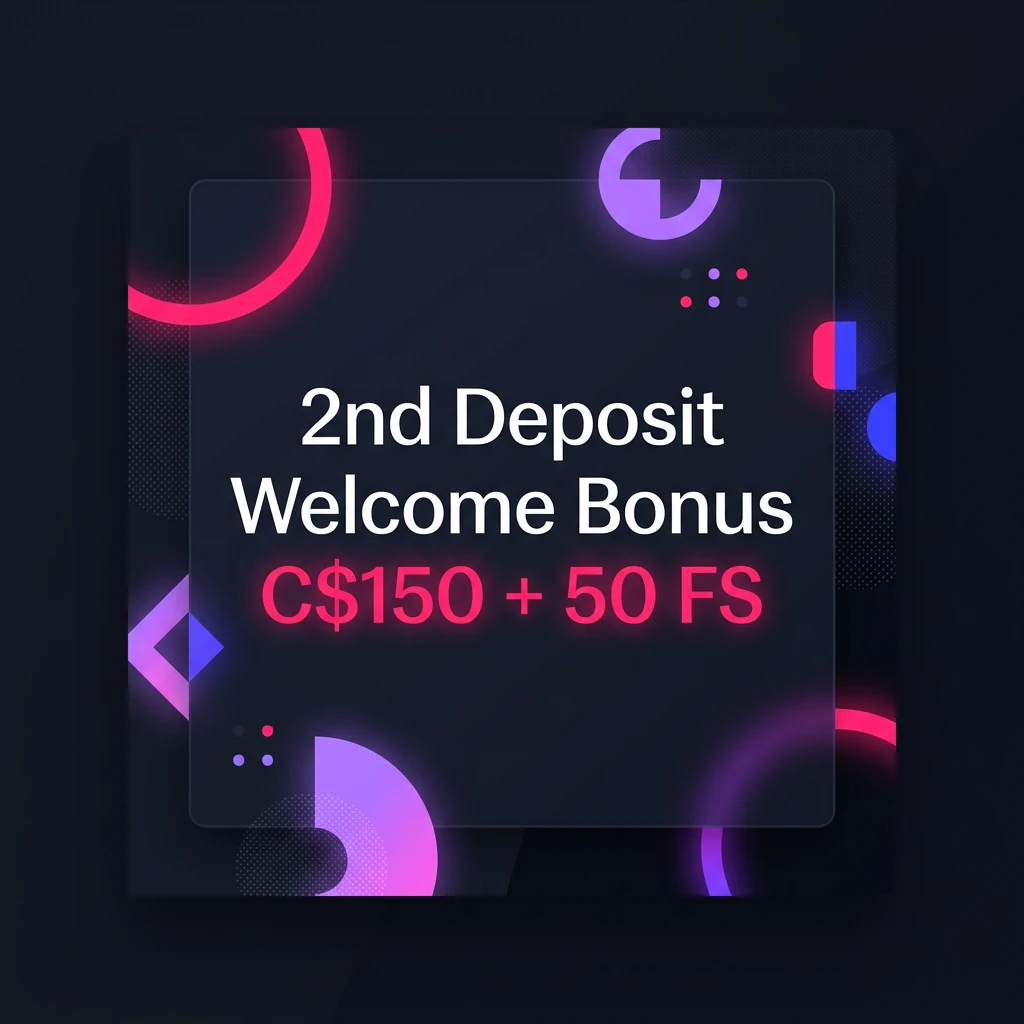
Welcome offers tend to do the most marketing work on casino sites, and Woo is no exception. The Canadian welcome package can look generous, especially when presented as a deposit match plus free spins. But bonus value should never be judged by headline size alone. The important number is the wagering requirement, because that determines how much real action is needed before bonus funds can be withdrawn.
For beginners, the main mistake is assuming that a bonus is free money. It is not. A match bonus is a form of restricted credit with conditions. In practice, that means:
- you must opt in correctly,
- the bonus may be tied to specific deposits,
- some games contribute less or nothing toward wagering,
- and max-bet rules may apply while the bonus is active.
If you prefer short sessions, bonuses may feel restrictive rather than helpful. They work best for players who already planned to play for a while and who are comfortable tracking conditions closely. If that sounds like too much effort, playing with your own balance may be the simpler choice.
Risks, Limits, and Common Misunderstandings
The biggest misunderstanding about Woo is that “easy access” and “good value” are the same thing. They are not. A casino can be easy to reach, easy to navigate, and still have terms that heavily favour the house. Offshore brands often make this gap more noticeable because the legal structure is different from provincial Canadian platforms.
Three practical risks stand out:
1. Jurisdiction risk. Woo is not an AGCO/iGO-licensed Ontario operator. That matters for players in Ontario, and it matters for anyone who wants the stronger consumer framework of a regulated local market.
2. Bonus friction. The welcome offer may look attractive, but wagering rules, restricted games, and bet caps can reduce its usefulness for beginners.
3. Payout pacing. Withdrawal limits and verification steps can slow down cashouts, especially if you win more than a single limit cycle allows.
There is also a reputation issue that is easy to overlook: players often rate casinos by the home page, but the real test is the cashier and the support experience. If support is slow, unclear, or inconsistent when you ask about limits or documents, that says more about the player experience than the marketing does.
Who Woo Suits Best, and Who Should Look Elsewhere
Woo is most suitable for Canadian players outside Ontario who want a CAD-capable offshore casino with a broad game mix and a familiar payment structure. If you are comfortable with grey-market sites and you know how to read bonus terms, the setup may feel workable.
Woo is less suitable for players who want regulated Ontario access, those who dislike bonus fine print, or those who want very fast, low-friction withdrawals without payout caps. It is also a weaker fit for anyone who wants a highly curated, local-first brand experience with clear provincial oversight.
A simple way to decide is to ask three questions before signing up:
- Do I accept the offshore structure?
- Am I planning to use CAD and a Canadian-friendly payment method?
- Will I actually use the bonus enough to justify the conditions?
If the answer to those questions is yes, Woo may be worth a closer look. If not, a different casino or a provincially regulated platform may fit better.
Mini-FAQ
Is Woo legit in Canada?
Woo is a real offshore casino operated by Dama N.V., but it is not licensed by AGCO or iGO for Ontario. For Canadian players outside Ontario, it operates in the grey market.
Does Woo support CAD?
Yes, CAD support is one of its practical strengths for Canadian players. That helps reduce conversion issues, but you should still confirm the cashier settings before depositing.
Are the bonuses easy to clear?
Usually no. Like most casino bonuses, they come with wagering requirements, eligible-game rules, and bet limits that can make the offer less flexible than it first appears.
Can players in Ontario use Woo?
Woo is not a licensed Ontario operator, so access is restricted for players physically located in Ontario.
Bottom Line
Woo has enough going for it to explain why Canadian players search for it: CAD support, a large game library, familiar cashier options, and a platform that is generally built to run smoothly. But the reputation picture is mixed once you look beyond the homepage. It is an offshore grey-market casino, not a provincially regulated Ontario brand, and that should shape your expectations about bonuses, withdrawals, and consumer protection.
For beginners, the smartest approach is simple: treat Woo as a game-first offshore option, read the terms carefully, and only deposit what you are comfortable tying up under bonus and payout rules. That is the most realistic way to evaluate its pros and cons in CA.
About the Author
Aria Fraser writes beginner-focused casino reviews with an emphasis on payment methods, bonus value, and practical player experience in Canada.
Sources
Operator and licensing details, payment and withdrawal terms, platform information, and Canadian market context were assessed from stable factual inputs and general Canadian gaming framework knowledge.