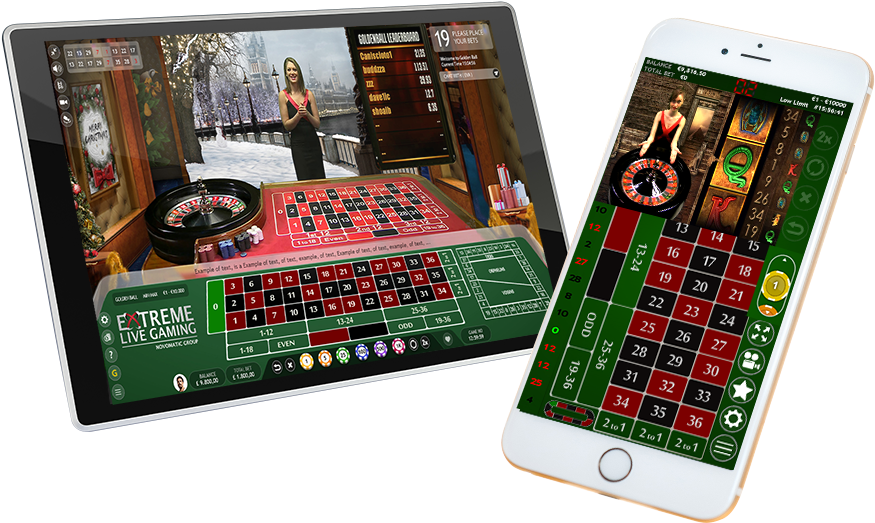
Revolution im Online-Casinosektor: Sofzauszahlungen ohne Verifikation als Zukunftstrend

In den letzten Jahren hat die Dynamik des Online-Glücksspielmarktes eine bemerkenswerte Entwicklung durchlaufen. Neben der technischen Innovation standen insbesondere regulatorische Veränderungen und die Erwartungen der Nutzer im Mittelpunkt. Ein Thema, das zunehmend Beachtung findet, ist die Fähigkeit der Casinos, **sofortige Auszahlungen ohne aufwendige Verifizierung** anzubieten — ein Konzept, das sowohl Kundenkomfort maximiert als auch regulatorische Herausforderungen mit sich bringt.

Regulatorische Entwicklungen und ihre Auswirkung auf Sofzauszahlungen

Die europäische Glücksspielgesetzgebung entwickelt sich ständig weiter, mit einem starken Fokus auf Verbraucherschutzzusagen und Sicherstellung der Spielsicherheit. Während die Verifizierung der Spieleridentität (KYC—Know Your Customer) seit langem Standard ist, um Betrug zu minimieren, fordert eine wachsende Anzahl an Casinos und Player-on-Demand-Plattformen verbesserte Prozesse für sofortige Transaktionen. Das Ziel: maximale Kundenzufriedenheit bei gleichzeitiger Einhaltung rechtlicher Vorgaben.

„Der Trend geht in Richtung eines nahtlosen, schnellen Zahlungserlebnisses, das die gängigen Fristen und Verifizierungsprozesse durchbricht – ohne dabei das Risiko für Recht und Ordnung zu erhöhen.“ — Branchenanalysten, Tech & Gaming Insights 2023

Technische Innovationen: Die Grundlage für Sofzauszahlungen ohne Verifikation

Fortschrittliche Technologien wie Instant Banking, PUSH- und Pull-Zahlungen sowie Blockchain-basierte Zahlungsmechanismen ermöglichen es online Casinos, Spielerkonten in Echtzeit zu verifizieren und Auszahlungen sofort auszuführen. Diese Innovationen bauen auf sicheren, verschlüsselten Übertragungsmethoden auf und gewährleisten, dass Nutzer schnell an ihre Gewinne kommen — ein entscheidender Vorteil in der kompetitiven Casino-Branche.

Risiken und Chancen: Sicherheit versus Nutzerkomfort

Das Angebot von CASINOS SOFORT AUSZAHLUNG OHNE VERIFIZIERUNG eröffnet sowohl Chancen als auch Risiken. Einerseits trifft es die Wünsche der modernen Nutzer nach Schnelligkeit und Bequemlichkeit. Andererseits steigen die Anforderungen an Anbieter, um Betrug, Geldwäsche und illegale Aktivitäten wirksam zu verhindern. Hierbei sind professionelle, gesetzeskonforme Verfahren gefragt, um die Balance zwischen Nutzerfreundlichkeit und Sicherheit zu wahren.

Für detaillierte Informationen über Betrugsprävention und E-Mail-Validierung bei schnellen Auszahlungen, empfiehlt es sich, die Ressourcen von CASINOS SOFORT AUSZAHLUNG OHNE VERIFIZIERUNG zu konsultieren.

Praxisbeispiel: Innovative Plattformmodelle und ihre Transparenz

Mehrere führende Online-Casino-Plattformen setzen mittlerweile auf flexible Zahlungssysteme, die es erlauben, Gewinne nahezu sofort ausbezahlt zu bekommen. Besonders erwähnenswert ist die Nutzung von Verifizierungs-Apps und biometrischen Verfahren, die den Prozess vereinfachen, ohne die Sicherheit zu gefährden. Dennoch bleibt die regulatorische Überwachung essenziell, um den Vertrauensbereich der Spieler zu sichern.

Ausblick: Die Zukunft der Sofzauszahlungen in Online-Casinos

Experten gehen davon aus, dass der Markt für sofortige Auszahlungen ohne extensive Verifikation künftig weiter wachsen wird. Innovationen in KI-basierter Identitätsprüfung und dezentraler Zahlungsabwicklung werden die Möglichkeiten erweitern, ohne die Integrität des Spiels zu gefährden. Die Herausforderung liegt darin, nachhaltige Lösungen zu entwickeln, die sowohl den hohen Ansprüchen der Nutzer gerecht werden als auch den gesetzlichen Rahmen einhalten.

Digitale Medien und das Vertrauen der Nutzer: Eine Analyse der Meinungen zu Spin Granny

Im Zeitalter der Digitalisierung und zunehmenden Online-Beteiligung gewinnen Plattformen, die kuratierte Inhalte und Meinungsäußerungen bieten, eine immer bedeutendere Rolle im öffentlichen Diskurs. Besonders in der Nische der sozialen Medien, Meme-Kultur und Künstlichen Intelligenz-gestützten Content-Generation entstehen neue Plattformen, die sowohl Kritik als auch Anerkennung erfahren. Spin Granny ist eine dieser innovativen Plattformen, die durch ihre einzigartige Herangehensweise an Content-Streaming und Nutzerinteraktion Aufmerksamkeit erregt.

Die Bedeutung von Meinungen in einem fragmentierten Medienumfeld

Prognosen des Digital Media Institute zufolge konsumieren über 72% der deutschen Internetnutzer regelmäßig Inhalte auf unabhängigen Plattformen, die nicht von klassischen Medienhäusern kontrolliert werden. Diese Entwicklung führt zu einer Diversifikation der Meinungsbildung, allerdings auch zu Herausforderungen in Bezug auf Vertrauenswürdigkeit und Qualitätssicherung. Hierbei steht vor allem die subjektive Wahrnehmung von Plattformen im Fokus: Was vermittelt Authentizität? Welche Quellen gelten als glaubwürdig?

Spin Granny: Ein Blick auf die Plattform und ihre Positionierung

Spin Granny positioniert sich als eine Plattform, die sowohl kreative als auch gesellschaftspolitische Themen behandelt. Nutzer finden dort Beiträge, die eine Mischung aus Meme-Content, gesellschaftskritischen Kommentaren und kunstvoller Satire bieten. Aufgrund ihrer künstlerischen und kulturellen Relevanz gewinnt die Plattform in bestimmten Kreisen an Bedeutung als Keimzelle für kreative Strömungen, die sich kritisch mit Mainstream-Medien auseinandersetzen.

Merkmal Beschreibung
Content-Formate Meme, Videos, Textbeiträge, KI-generierte Inhalte
Zielgruppe Junge Erwachsene, Kreative, gesellschaftlich Engagierte
Relevanz Aufstieg als Plattform für Perspektivwechsel und kritisches Nachdenken
Vertrauenswürdigkeit Herausfordernd: subjektive Meinungen vs. Faktenbasiertheit

Warum eine meinung zu Spin Granny für Medienkritiker, Kreativschaffende und Verbraucher von Interesse ist

Angesichts der wachsenden Bedeutung solcher Plattformen ist es essenziell, die Einschätzung von Experten und Nutzermeinungen zu verstehen. Insbesondere hier bietet die Plattform eine interessante Basis, um über Aspekte der glaubwürdigen Content-Erstellung, die Gefahr irreführender Inhalte sowie Möglichkeiten der kritischen Medienkompetenz zu diskutieren. Für Journalisten, Wissenschaftler und Content-Manager ist die Betrachtung einer solchen Plattform eine Gelegenheit, digitale Vertrauensmodelle zu hinterfragen und innovative Ansätze zu entwickeln.

“Das Vertrauen in digitale Inhalte basiert zunehmend auf der Transparenz der Plattform und auf der Authentizität der Nutzerinteraktionen. Spin Granny schafft hier eine kreative Balance zwischen künstlerischer Ausdrucksform und gesellschaftlicher Reflexion.” – Branchexperte für digitale Medien

Fazit: Die Rolle der Plattform in der digitalen Discourse-Landschaft

In einer Ära, in der die Grenzen zwischen Unterhaltung, Kunst und gesellschaftlicher Kommentierung zunehmend verschwimmen, gewinnt Plattformen wie Spin Granny an Bedeutung. Die Meinung zu Spin Granny bietet wertvolle Perspektiven für eine kritische Auseinandersetzung mit der Qualität und Vertrauenswürdigkeit digitaler Inhalte. Dennoch bleibt die Herausforderung, den Nutzer zu befähigen, zwischen glaubwürdigen Fakten und spekulativer Meinung differenzieren zu können.

In der Zukunft wird es entscheidend sein, Plattformen zu entwickeln, die sowohl kreative Freiheit ermöglichen als auch Mechanismen der Qualitätssicherung fördern. Das gesammelte Nutzer-Feedback, begleitet durch fundierte Meinungen wie jene, die auf meinung zu Spin Granny zu finden sind, kann dabei helfen, dieses Ziel zu erreichen.

Protecting Minors in Casino Game Development: Practical Steps for Developers and Operators

Wow — underage access still surprises people, but it’s a real, recurring problem for online casinos and gaming platforms; quick wins exist and they matter. The risk is both legal and human: regulators in Australia take youth protection seriously, and a single breach can destroy trust and invite enforcement, so build prevention into product planning rather than bolt it on later. Below I set out actionable checks, sensible tech options, and examples you can apply right away, and I’ll end with a quick checklist and a compact comparison of verification approaches to help you pick what fits your team and budget.

Why focus on minors now?

Something’s off when teams treat age checks as an afterthought; the truth is they’re a core compliance and UX feature that affects retention and reputation. Age restrictions in AU vary by state, but the broad rule is: do robust age verification, log it, and be ready to prove you stopped minors from playing. Understanding the stakes helps prioritise development work and risk mitigation, so let’s move into the technical building blocks you’ll actually use.

Article illustration

Core principles for underage protection

Hold on—these are not just legal boxes to tick; they’re design constraints that should shape flows, messaging and testing. First, apply the “deny-first” approach: if verification fails or is incomplete, deny account activation and clearly explain next steps to the user. Second, minimise friction by deferring heavier checks to moments when verification is strictly required (e.g., first deposit or withdrawal) while keeping lightweight screening at signup. Third, log everything securely for audits and be prepared to respond to regulator queries. These principles guide which verification methods you choose, and we’ll explore method pros and cons next.

Verified approaches: quick comparison

At first I thought a single solution would do it all; then I realised layering is the only reliable strategy for both UX and compliance. Use the table below to compare common verification methods and their trade-offs so you can decide what to adopt and how to sequence checks in your product flow.

Method Accuracy UX friction Cost & complexity Regulatory fit (AU)
Self-declared DOB Low Minimal Very low Initial screening only
Document upload (ID/passport) High (when manually reviewed) Medium Medium (system + manual) Accepted if logged and verified
Automated ID verification (3rd-party KYC) High Medium High Strong fit; scalable
Database cross-checks (government/credit bureaus) Very high Low–Medium High Very strong; often preferred
Biometrics / liveness checks Very high Higher (privacy concerns) Highest Useful for high-risk cases

That table gives you a map for selecting and combining methods according to your risk appetite and user volumes, and next we’ll talk implementation sequencing so you don’t overwhelm the user or the ops team.

Implementation sequencing: a practical roadmap

Here’s what I’d do in order if I were shipping this on a team with limited resources: start with reliable lightweight screening at signup (DOB, email, and device checks), then require ID upload at first cashout or after cumulative deposits exceed a threshold. If you scale quickly, add a third-party automated KYC that flags inconsistencies and only routes high-risk cases for manual review. This staged approach balances UX and compliance and reduces false positives that annoy legitimate players, while also keeping your risk exposure limited until you can invest more in verification. Next, we’ll run through specific technical checks to catch common evasion tactics.

Technical checks and red flags to implement

My gut says most fraud or underage attempts are lazy — reuse of the same device, odd payment instruments, or quick sign-ups using throwaway emails — and you can catch many with simple rules. Enforce device fingerprinting, rate-limit account creations per IP, flag mismatched billing and postal addresses, require CVV and cardholder name checks, and use payment instrument reputation scores from your payment provider. Also, implement behavioural signals like rapid session times and improbable bet patterns; they’re not proof, but they’re useful triggers for deeper KYC. After this, integrate responsive workflows so flagged accounts enter a manual review queue rather than being auto-suspended without explanation.

Designing the verification UX

Don’t make the mistake of treating verification as punishment — it’s a trust-building exercise when done well. Give clear instructions, examples of acceptable ID images, and in-progress status screens that reduce anxiety about “what happens next.” For mobile, use guided capture with edge detection and live preview, and display friendly error messages rather than cryptic codes. If a user reaches for help, provide fast chat support or a human review escalation path; good UX reduces abandonment and improves compliance completion rates, which feeds directly back into your fraud-resilience. Next, we’ll examine privacy and data retention decisions you must make.

Privacy, logging, and data retention

Hold on — aggressive verification without thoughtful data governance is a mistake that invites both privacy complaints and regulatory scrutiny. Store personal documents encrypted at rest, hash identifiers where possible, restrict access to a minimal ops team, and set explicit retention periods aligned with AU privacy rules and AML obligations. Keep tamper-evident logs of verification events and approvals so audits are straightforward; these logs also help when disputing chargebacks or handling account recovery. Now, let’s cover the human side: staff and manual review workflows.

Staffing, training, and manual review best practices

Here’s the thing: automation is great, but manual reviewers catch nuance and context that algorithms miss, so train reviewers to recognise underage indicators (e.g., slang in chats, school schedules in photos) and to follow escalation playbooks. Provide reviewers with decision trees, sample id images (redacted), and a checklist to document steps taken; that reduces inconsistent outcomes and speeds decisions. Track reviewer KPIs — time-to-decision and appeals reversal rate — to monitor quality and avoid creeping bias. After human review, integrate results back into your automated risk models so the system learns from edge cases.

Integrating self-exclusion and parental reporting mechanisms

One often-missed control is easy reporting: parents should be able to flag accounts quickly and get a transparent, documented response. Implement a parent flagging flow that accepts supporting evidence, immediately freezes the account pending verification, and provides a clear timeline for resolution. Additionally, integrate a self-exclusion mechanism for players to voluntarily block themselves across your platform with minimum friction and a prominent, accessible placement in account settings. These features demonstrate social responsibility and often satisfy regulators — next up, a practical example and a hypothetical mini-case to ground the theory.

Mini-case: a practical example

Example: a mid-sized AU operator saw a spike in signups from a particular school postcode. They implemented a two-week rule: any account claiming a postal address within flagged postcodes required immediate document upload, plus automated cross-checks against education-related domains; accounts failing checks were suspended and the user contacted for verification. The result: underage signups dropped 84% within a month with negligible impact on legitimate players because messaging explained the temporary extra step. That case shows how targeted, data-driven rules can be surgical rather than blunt, and next I’ll show a short checklist you can copy into sprint tickets.

Quick Checklist (copy into your sprint ticket)

  • Implement DOB capture + device fingerprint at signup — explain why to users (transparency reduces churn).
  • Require ID upload at first withdrawal or after deposits exceed a configurable threshold.
  • Integrate automated KYC vendor for cross-checks and liveness checks for high-risk cases.
  • Log all verification events with tamper-evident timestamps and role-based access controls.
  • Provide fast human review path + clear user-facing status updates.
  • Offer parent reporting and self-exclusion with documented response timelines.
  • Review and refine rules monthly based on fraud and verification metrics.

Follow that checklist and you’ll cover the most frequent gaps seen in audits and complaints, and next I’ll list the common mistakes to actively avoid.

Common mistakes and how to avoid them

  • Relying solely on self-declared DOB: Always follow up with document or database checks; this is just a screening step that should trigger deeper checks.
  • Poor UX on ID upload: Provide guidance and sample images; poor UX increases dropouts and creates more unresolved high-risk accounts.
  • No escalation path: If reviewers can’t escalate confidently, cases either get auto-approved or sit unresolved; build a clear playbook and SLAs.
  • Data hoarding: Keep only what you need and for as long as required; excess retention is a regulatory and security risk.
  • Opaque messaging to users: If you don’t explain why you need ID or how you’ll protect data, trust erodes and disputes rise.

Avoiding those mistakes reduces regulatory friction and improves conversion, so prioritize fixes in product and ops; next I’ll add a small note on responsible promotions and compliance links you might want to share with marketing teams.

Marketing, promos and compliance touchpoints

One quick point — promotions and bonus flows must not target minors and should be gated behind verified age checks for any advertised win mechanics or deposit-linked offers; coordinate with marketing to ensure campaign landing pages respect verification thresholds and messaging. If you need a reference for how promotions should be guarded in live sites and their related terms, a practical example of promo positioning can be found in many operator bonus pages, which also illustrates how to combine marketing with compliance without losing conversion momentum like when you deploy verification after a promo claim; as an example of promotional positioning and legal guardrails see promotions for how operators present offer terms publicly and the kinds of wagering and verification rules they hide behind the scenes. Ensuring marketing and compliance talk early reduces rework and risky campaigns.

Operational metrics to monitor (KPIs)

At a minimum track: verification completion rate, time-to-verify, false positive/negative rates, proportion of manual reviews, and parental report resolution time; these metrics let you tune thresholds so you’re neither overblocking nor underdetecting. Monitor deposit/withdrawal patterns post-verification as a sanity check, and feed manual-review outcomes into your automated scoring to reduce future manual workload. With those KPIs measured, you can iterate policy monthly and show regulators continuous improvement; next is a compact mini-FAQ covering common operational questions.

Mini-FAQ

Q: When should I do the ID check — at signup or first withdrawal?

A: Do light screening at signup and reserve full ID verification for first withdrawal or when deposit thresholds are crossed; this balances UX with risk control and is defensible to regulators if documented properly.

Q: Are biometric/liveness checks necessary?

A: Not for all users; use them selectively for high-risk cases or when third-party data checks fail, because of cost and privacy trade-offs; always document consent and data use clearly.

Q: How long should I retain verification documents?

A: Keep them only as long as required by AML and local legislation — in AU this is often several years for transaction logs but minimise document retention and encrypt everything to reduce exposure.

Those FAQs address common deployment doubts and should be included in your internal docs so product, compliance, and support teams all answer consistently, and next I’ll close with sources and a short author note.

18+ only. Always gamble responsibly — set time and monetary limits, and seek help if gambling is affecting you or someone you know; operators should publish self-exclusion and support links prominently and link to local AU resources. For responsible product design, ensure all age-checking and data practices comply with local laws and privacy requirements.

Sources

  • AU regulatory guidance and AML/KYC frameworks (state-level resources and ASIC/ACMA summaries).
  • Industry best-practice whitepapers on digital ID verification and liveness checks.
  • Operator transparency pages and published bonus/terms pages used as public examples to illustrate gating and promo transparency, including how promotions are conditioned on verification such as promotions.

These sources inform practical choices and the examples above, and you should cross-check vendor SLAs and regulatory updates regularly to keep your controls current.

About the Author

I’m an industry practitioner with hands-on experience building user flows, KYC systems, and compliance tooling for AU-facing gaming platforms; I’ve run product teams that integrated third-party ID vendors and tuned manual review workflows to balance conversion and regulatory safety. My approach is pragmatic: start small, measure, and scale controls with clear audit trails. If you take one thing away, make it this — treat underage protection as product quality, not just legal paperwork, because good design prevents mistakes and saves reputations.

COVID’s Impact on Online Gambling and No-Deposit Bonuses with Cashout: A Practical Guide for Beginners

Whoa — things changed fast in 2020. The pandemic forced a mass migration from venues and retail gambling into apps and sites, and that migration rewired both product design and promotion tactics almost overnight, which matters if you chase no-deposit offers with cashout potential.

At first glance, the headline numbers tell the story: traffic and account sign-ups rose substantially across many markets as land-based options closed or became less convenient, and operators responded by experimenting with low-friction incentives to capture new users. This growth created a crowded promotional field that made common-sense filtering essential for newcomers, and so we’ll break down the practical parts next.

Article illustration

Here’s the thing — a “no-deposit bonus with cashout” might sound like free money, but the reality depends on three linkable mechanics: wagering requirements, game contribution rules, and max-cashout caps. Understanding those three elements turns vague temptation into a sensible decision, so stick with the mechanics while we walk through examples and checks.

From the operator side, COVID accelerated two pressures: acquire users cheaply and keep them active without blowing margins. Operators shrank welcome-match sizes in some markets, increased trials (no-deposit spins or tiny credit), and tightened T&Cs like max-cashout to protect their balance sheets. That creates a new normal where the headline offer is often less valuable than the copy suggests, and we’ll show you how to tell the difference.

On the player side, lockdowns meant more casual, time-rich users who tried sites impulsively and then either stayed or churned quickly; behavioural data showed higher session frequency but lower average stake per spin. That matters because operators design no-deposit offers to convert that behaviour into a long-term customer, and so your own play pattern should dictate whether a tiny free bonus is worth the time.

To make this concrete, consider a representative no-deposit spin package: you receive $10 in bonus credit or 20 free spins with an effective bonus value of about $10, a wagering requirement (WR) of 40× bonus-only, and a max-cashout of $50. At face value it’s tempting, but the math demonstrates the true ceiling on what you can realistically cash out, which we’ll calculate next to show why terms matter.

Quick math: EV estimation and realistic expectation. Short sentence. If you assume a slot RTP of 96% on average and you need to wager 40× a $10 bonus (that is $400 in turnover), the theoretical break-even is still below the max-cashout after variance and game contributions are included; in practice the expected retrievable amount is a small fraction of the max-cashout, which is why the advertised cap is often a marketing ceiling rather than a likely payout.

So what should you check before you claim a no-deposit offer? Short checklist ahead. Read the precise WR formula (is it bonus-only or deposit+bonus?), confirm game contribution percentages (many tables and video poker count 0–10%), note the max-cashout, check bet caps during rollover, and confirm excluded payment methods that void bonuses — these steps separate a plausible cashout path from a trap, and below you’ll find a compact Quick Checklist to print or screenshot before you sign up.

Quick Checklist (grab this before you press ‘Claim’)

– Confirm the exact wagering requirement formula and whether it applies to bonus-only or the sum of deposit+bonus; this shapes required turnover and expected EV, and you should calculate turnover before playing so you’re not surprised.

– Check the max-cashout cap and whether it applies to winnings from the bonus only; a low cap often makes the offer low-value despite flashy language, so always compare cap vs plausible expectation and decide if it’s worth your time.

– Verify game contribution weights (slots vs tables vs live) and excluded titles; low contribution or exclusions on high-RTP games can render a bonus almost unusable, which is why game lists should be scanned before you spin.

– Note time windows for clearing and whether bet caps apply during the rollover; short windows plus strict bet caps are a common way operators limit bonus exploitation so set a small schedule and budget for clearing if you commit.

– Complete KYC early — document verification is the most common payout delay, so uploading ID and proof-of-address upfront reduces withdrawal friction later and saves you hours of frustration.

Comparison Table: Typical No-Deposit Offer Variants

Offer Type Typical WR Typical Max Cashout Best For
Free spins (20–50 spins) 30–50× (bonus-only) $20–$100 Slot testers and short-play sessions
Small bonus credit ($5–$25) 30–60× $25–$200 Low-risk exploration with quick KYC
Time-limited play credits Rarely WR’d but short expiry Often small or none Hands-on demo play and feature testing

These categories show the trade-offs: free spins give you a feel for volatility, credit offers give clearer EV math, and time-limited credits are mainly product demos — pick the one that aligns to your objective before you sign up, because the offer type predicts how feasible a cashout will be and that guides the next steps.

How COVID Changed the Terms — What’s New and Why It Matters

Operators adopted tighter max-cashouts, higher game-weighting restrictions for valuable games, and more exclusions for e-wallets and certain countries — a direct response to higher volume of sign-ups and fraud risk during the pandemic; this tightened posture means many no-deposit offers post-2020 are structurally less generous than their pre-2020 counterparts, so historical impressions can mislead you.

That tightening has a flip side: some operators created targeted, regional offers to keep acquisition efficient, and regulated markets (or compliance-aware operators) leaned into transparent terms and faster KYC to build trust; if you want a cleaner experience look for operators that publish full bonus tables and fast verification guides to reduce the “unknowns” when you claim an offer, which is what I recommend next.

For Canadians specifically, keep regulatory nuance in mind: provincial rules vary (Ontario has its AGCO/iGaming Ontario regime), and offshore brands that target CA players may operate under different licence conditions and different dispute pathways, which affects your recourse in case of issues and is why jurisdiction is a decision factor before you deposit even after claiming a no-deposit cashout, so verify operator status first.

Where to Practice Safely (practical recommendation)

If you want to try a mobile-first, demo-friendly lobby that lists payment and KYC steps clearly, do your initial checks on a single-wallet, browser-first site that posts bonus rules plainly and supports e-Transfer for Canadians; as you compare options, consider the user experience for KYC and the clarity of bonus tables. For an example of a site with these characteristics you might look at king-maker official as a reference point during your initial checks because it highlights mobile speed, large game libraries, and visible payment options, and you should still verify the footer and T&Cs before depositing to be safe.

To follow up, try the offer with a small time budget and a pre-set micro-bankroll (e.g., $10–$30) and treat any no-deposit bonus as a short experiment rather than a consistent revenue source, because that mindset reduces chasing behaviour and keeps you within healthy limits while you test whether the offer truly fits your play style, which leads us to common mistakes and how to avoid them.

Common Mistakes and How to Avoid Them

– Mistake: Claiming an offer without reading the max-cashout or WR formula. Fix: Read the headline T&Cs and do the turnover math before you play so you know the workload required to clear the bonus.

– Mistake: Using excluded payment methods and voiding the bonus. Fix: Check the cashier rules — some wallets exclude you from welcome offers and using them can invalidate any potential cashout, so always confirm eligibility first.

– Mistake: Waiting to KYC until the withdrawal request. Fix: Upload ID and proof-of-address immediately after signup so withdrawals (if they happen) are processed quickly; delays here are the most common pain point.

– Mistake: Treating a max-cashout as likely. Fix: Model realistic EV given RTP and WR and use the max-cashout as the absolute upper bound, not the expected result, so you plan accordingly and avoid disappointment.

Mini Case Studies (short, realistic examples)

Example A — The tester: Alex took 25 free spins, WR 40× bonus-only, max-cashout $75. He calculated expected turnover and decided the time investment was worth the potential outcome because he enjoys game testing, not profit, and so treated any cashout as a bonus on top of entertainment; this approach kept him disciplined and satisfied.

Example B — The chaser: Sam claimed three no-deposit offers in a row hoping to compound small wins into a larger withdrawal but hit bet caps and exclusions that voided parts of his bonus wins; the fix was to step back, pick one offer, confirm eligible games, and clear it with a tiny, structured session instead of trying to scale immediately.

Mini-FAQ

Are no-deposit bonuses worth chasing during COVID-era terms?

Short answer: sometimes — if your goal is to test games or learn a platform with minimal risk. Long answer: value depends on WR, contribution, and max-cashout; treat offers as learning budget rather than reliable profit, and model expected turnover before you start to see whether the time investment is justified.

How do I estimate the realistic cashout from a no-deposit bonus?

Estimate by multiplying the bonus by the WR to get turnover, apply an RTP assumption (e.g., 96% for a mixed slot portfolio), and then factor game contribution; the result gives a ballpark EV which you can compare to the stated max-cashout to see plausibility.

What KYC steps minimize payout delays?

Upload clear, uncropped ID, a recent proof-of-address (under 90 days), and any payment ownership proof (screenshot of e-wallet or card statement snippet with masked numbers). Doing this early avoids the common “submitted withdrawal — pending verification” loop.

18+ only. Gambling should be treated as entertainment and not a way to make money; set limits, use self-exclusion tools if needed, and consult provincial resources (AGCO for Ontario) or national support lines if gambling causes harm — and always verify licensing and KYC details before you deposit.

Sources

Industry reporting and operator terms observed across 2020–2024 market activity; aggregated operator T&Cs, play-testing examples, and KYC guidance from regulated jurisdictions — use operator footers and current terms as the authoritative source before you act.

About the Author

I’m a Canada-based player-researcher with hands-on experience testing mobile lobbies, bonus mechanics, and cashier flows; I focus on practical checklists and realistic expectations for newcomers, and I recommend verifying operator details, comparing KYC processes, and always treating no-deposit offers as a learning budget rather than guaranteed income. For a practical reference site that highlights mobile speed and visible payment options during your comparison, consider reviewing king-maker official as one example while you confirm licensing and T&Cs on the day you join.

Líneas de ayuda y estadísticas avanzadas para promover el juego responsable en México

¡Espera un segundo! Antes de entrar en la chamba técnica, aclaremos lo esencial: si apuestas, hazlo como entretenimiento y con límites claros.
Este artículo te da herramientas prácticas para detectar riesgos, usar estadísticas avanzadas que ayudan a detectar comportamientos peligrosos y conectar usuarios con líneas de ayuda en México, y al final muestro cómo integrar recursos concretos sin palabrería vacía.
Ahora avancemos a lo que realmente sirve para prevenir daños.

Primero, una observación rápida: la mayoría de los sistemas de detección siguen reglas sencillas y reactivas que llegan tarde.
Mi experiencia me dice que los operadores que aplican métricas continuas y modelos de riesgo proactivo detectan problemas antes de que escalen, y eso cambia la experiencia del jugador.
Para entender qué métricas conviene usar, primero desglosamos los indicadores clave.

Ilustración del artículo

Indicadores básicos y avanzados: qué medir y por qué

¡Aquí viene lo práctico! Algunos indicadores son obvios: frecuencia de sesión, importe de depósito, variación en la duración de sesiones; otros son más sutiles, como cambios en patrones de pago o en la hora del día de juego.
Conviene estructurar los indicadores en tres niveles: señales tempranas, señales de riesgo medio y señales críticas, y luego combinarlas en un score compuesto que alerte al equipo de soporte.
A continuación detallo ejemplos y fórmulas simples para armar un score de riesgo.

Señales tempranas (alerta baja): aumento de sesiones semanales >30% respecto al mes anterior; depósitos fuera de patrón; intentos frecuentes de bonificación.
Señales de riesgo medio (alerta media): depósitos acumulados que superan X% del ingreso declarado en 30 días; sesiones nocturnas consecutivas; incrementos en tamaño de apuesta >50% en 7 días.
Señales críticas (alerta alta): intentos de retirar fondos y simultáneamente seguir depositando; solicitudes de límites de crédito; informes de familiares — cada categoría se conecta a un protocolo de intervención que detallaré enseguida.

Cómo construir un score de riesgo sencillo (ejemplo operativo)

Mi recomendación: comienza con métricas ponderadas y un umbral sensible que priorice falsos positivos sobre falsos negativos en la etapa inicial.
Un esquema práctico: RiskScore = 0.4*DepChanges + 0.3*SessionChanges + 0.2*BetSizeChange + 0.1*SelfReport, donde cada componente se normaliza 0–100; si RiskScore > 60, disco de intervención automática.
Implementar este score permite activar mensajes de ayuda, ofrecer pausas obligatorias o escalar a un agente humano, y eso es justo lo que explico a continuación.

Protocolos de intervención y rutas de ayuda

Cuando el sistema detecta riesgo medio, el primer paso es la comunicación no intrusiva: mensajes en la app con opciones claras para establecer límites y acceso a recursos de información; ese mensaje debe ser empático y directo.
Si el score sube o el jugador lo solicita, ofrecer intervención humana por chat o teléfono es la siguiente fase, y si hay riesgo crítico, iniciar bloqueo temporal y guiar al usuario a líneas de ayuda certificadas.
En México, hay canales oficiales y ONG locales que deben integrarse al flujo de soporte para asegurar continuidad de cuidado y derivación profesional.

Un aspecto práctico: los operadores deben publicar en su centro de ayuda recursos locales y teléfonos de emergencia, y entrenar a su personal para derivar con empatía y sin juicio.
Además, desde la plataforma se pueden ofrecer herramientas automáticas de autocontrol (límites diarios, pausas, autoexclusión) que el usuario activa en segundos, y este diseño reduce daños en muchos casos.

Integración con la experiencia del usuario y ejemplos concretos

Aquí te doy un caso realista: un usuario aumenta depósitos de manera gradual y juega en horarios nocturnos; el RiskScore pasa de 45 a 65 en una semana y el sistema le despliega una ventana con opciones de ayuda y un número de soporte; si el jugador ignora la ventana y el score sube, se aplica una pausa temporal y se envía una invitación escrita a consultar ayuda profesional.
Este enfoque escalonado respeta la autonomía del jugador, pero crea puntos de contacto efectivos para ofrecer apoyo, y esa es la diferencia entre actuar tarde o precozmente.

Si quieres ver cómo se integra en un operador regulado, revisa plataformas que publican sus protocolos de juego responsable y herramientas de gestión de riesgo, y considera que algunos operadores líderes en México facilitan información clara sobre límites y líneas de ayuda en su sección de soporte, por ejemplo betcris, lo que ayuda a los usuarios a encontrar soporte sin rodeos.
A continuación comparo enfoques y herramientas para que decidas qué implementar primero.

Tabla comparativa: enfoques y herramientas

Herramienta/Enfoque Qué detecta Ventaja Limitación
Alertas basadas en transacciones Depósitos y retiros atípicos Fácil de implementar Puede generar falsos positivos
Modelos de riesgo compuestos Patrones combinados (sesión, apuesta, pago) Más preciso Requiere datos históricos y ajustes
Análisis de comportamiento en tiempo real Cambios súbitos en juego Permite intervención inmediata Costoso y complejo
Autoevaluaciones dirigidas Autorreporte y disposición al cambio Empoderamiento del usuario Depende de la honestidad

Tras comparar, lo usual es combinar una primera capa de reglas simples con una segunda capa de modelos compuestos y, si es posible, un tercer nivel de revisión humana.
Hacerlo así reduce la carga operativa y mejora la eficacia de las intervenciones, y ahora vemos cómo comunicar esos recursos al usuario.

Mensajes eficaces y scripts recomendados para contacto inicial

No uses frases moralizantes; usa claridad y opciones.
Ejemplo breve para primera alerta: “Hemos detectado un aumento en tu actividad. ¿Quieres establecer un límite diario o hablar con un asesor? Podemos ayudarte a pausar temporalmente.”
Ese tono directo y empático provoca menos rechazo y abre la puerta a acciones concretas, que es justo lo que se busca.

Checklist rápida para operadores

  • Implementar un RiskScore compuesto con umbral de intervención clara; luego revisarlo trimestralmente para ajustarlo al patrón local;
  • Ofrecer en la plataforma opciones visibles de límites, pausas y autoexclusión;
  • Publicar rutas de derivación a servicios locales y líneas gratuitas;
  • Formar al equipo de soporte en comunicación empática y protocolos de derivación;
  • Realizar auditorías mensuales de falsos positivos/negativos y ajustar modelos; y
  • Medir resultados: número de derivaciones, eficacia de pausas y reducción de depósito promedio por usuario en riesgo.

Si sigues esta checklist la probabilidad de detectar y contener conductas de riesgo mejora notoriamente, y la implementación práctica no tiene que ser disruptiva para la experiencia del jugador.
Ahora repasemos errores comunes para que no reinventes problemas.

Errores comunes y cómo evitarlos

  • No calibrar umbrales y dejar alertas que molestan al usuario — soluciona probando en A/B y ajustando sensibilidad;
  • Actuar solo con reglas transaccionales sin contexto de comportamiento — combina capas de datos;
  • Mensajes paternalistas que generan rechazo — prioriza lenguaje empático y opciones claras;
  • No ofrecer vías de contacto humano en riesgo medio — prepara un equipo de escalado; y
  • No registrar resultados de intervenciones — mide y documenta para mejorar políticas.

Evitar estos errores mejora la confianza del jugador y reduce la incidencia de problemas mayores, y por eso conviene revisarlos con cierta periodicidad.
Para terminar, dejo una mini-FAQ práctica para dudas rápidas.

Mini-FAQ

¿Qué hago si detecto a un jugador con riesgo alto?

Activa el protocolo: bloqueo temporal, contacto humano inmediato y derivación a servicios profesionales; siempre documenta la acción y ofrece recursos locales;

¿Es suficiente con poner límites automáticos?

Los límites ayudan, pero combinar límites con mensajes de apoyo y acceso a ayuda humana aumenta la eficacia; además, mide su impacto;

¿Qué recursos locales existen en México?

Hay líneas de ayuda nacionales y ONG que ofrecen apoyo en salud mental y adicciones; integra sus contactos en tu flujo y facilita la derivación;

18+: Este contenido está dirigido a adultos. El juego puede ser adictivo; apuesta con responsabilidad, establece límites y busca ayuda si sientes que pierdes el control. Para información general y soporte, revisa las páginas oficiales y recursos de salud locales.
Si buscas una plataforma que publiquen recursos y políticas claras de juego responsable, revisa referencias operativas disponibles públicamente como la opción que muestra sus recursos y ayuda en la sección de soporte, por ejemplo betcris, para ver cómo integran herramientas de autocontrol y líneas de ayuda.

Fuentes

  • Secretaría de Gobernación (SEGOB) — Regulación y políticas sobre juegos en México (documentos oficiales).
  • Organización Mundial de la Salud (OMS) — Investigación sobre trastornos por juego y guías de prevención.
  • Estudios académicos sobre detección temprana en plataformas de juego (revistas de adicciones y tecnologías de la salud).

Sobre el autor

Federico Romero, iGaming expert. Trabajo con operadores y reguladores en LATAM para diseñar políticas de protección al jugador y sistemas de riesgo proactivo. Escribo guías prácticas basadas en datos y experiencia de campo para mejorar la seguridad y el bienestar del usuario.

How the Casino House Edge Shapes Affiliate SEO: A Practical Guide for Beginners

Casino House Edge & Affiliate SEO Strategies — Practical Guide

Wow — you’ve probably seen talk about RTPs, house edge and big bonuses, and wondered how any of that matters if you run an affiliate site or produce content about casinos. This opening gives you the payoff: if you explain house edge clearly, your SEO gets better and your readers make safer, more informed decisions. The next section will define the house edge in a way you can actually use on-page and in keyword targeting.

House Edge in Plain Terms (and why it matters to affiliates)

Hold on — the house edge isn’t a mystery; it’s the casino’s mathematical advantage over the long run. For affiliates, that number is the backbone of content about value: games with lower house edge are easier to explain, compare and promote in evergreen pieces. I’ll show how to turn that number into useful headlines and content blocks that both help players and rank in search results.

Article illustration

Quick, Practical Definition and a Simple Formula

Here’s the simplest take: house edge = 1 − RTP (where RTP is the percentage returned to players over time). For instance, a game with 96% RTP has a 4% house edge, which means that on average $4 of every $100 wagered is retained by the house. That arithmetic helps you create concrete examples for readers, and the next paragraph will show how to turn those examples into SEO-rich content.

Using Examples to Build Trust and Rankings

My gut says examples beat abstract claims — so use them. If a slot shows 96% RTP and a blackjack table shows 99% RTP (with basic strategy), write a short side-by-side example showing bankroll expectations over 1,000 spins or hands. Readers appreciate realistic scenarios and Google rewards content that answers query intent, so the next section lays out two mini-cases you can copy into posts.

Mini-Case A — Slot Session (hypothetical)

Example: a $200 session on a 96% RTP slot means expected loss ≈ $8 over the long run, but variance could easily make short-term results swing widely. Use this to recommend session limits, and then show readers how bonus wagering requirements affect that expected outcome. The following mini-case contrasts with table games to highlight strategic depth.

Mini-Case B — Blackjack Session (hypothetical)

Example: $200 at a $5 base bet blackjack table with basic strategy and 99% RTP has expected loss ≈ $2; this is useful to show comparative value and to explain why affiliates should create “game choice” content that lists expected losses per $100 wagered. Next, we’ll convert these numbers into content angles that drive organic traffic.

Content Angles That Work — From House Edge to Clicks

Here’s what ranks: comparative guides (e.g., “Slots vs Blackjack: Expected Loss Per $100”), calculators (simple JS widgets or downloadable sheets), and “how to choose” articles aimed at casual players. These formats let you include clear house-edge math, provide utility and capture both informational and transactional intent — and the next paragraph will explain how to structure those pages for SEO.

On-Page Structure & Keywords — A Practical Template

Start with a clear H1 that answers the query, then an immediate practical takeaway in the first two paragraphs (for example: “Choose games with lower house edge to stretch your bankroll”). Use subheadings that match long-tail questions, add tables and examples, and provide a small calculator or downloadable checklist to increase dwell time. This structure also gives you places to naturally link to recommended properties without overdoing commercial push; more on that follows.

Middle-of-Page Recommendation: Where to Place Trusted Links

When you recommend a venue or resource, place that link in the middle third of the page after you’ve given solid, non-promotional value; that’s where readers are ready to click. For instance, if you review a regional property or a local resort-casino, wrap that recommendation in compliance and responsible-gaming info and then link naturally to the brand; for a real-world example, see this listing for the Ville that blends local detail and safety guidance: the-ville.casino official. The next section will show how to cite compliance and KYC realities alongside such links.

Regulatory, KYC and Responsible-Gaming Mentions (what affiliates must include)

Something’s off if a casino piece ignores local rules. In Australia, mention state licensing, KYC checks and AUSTRAC oversight; remind readers they must be 18+ and point to exclusion/self-help resources. Including this protects your readers and improves E-E-A-T signals for Google — and after this, I’ll explain simple affiliate safety copy you can reuse across pages.

Reusable Safety Copy & CTA Examples

Write a short policy block you can paste into reviews: proof of ID is required for large payouts; anti-money-laundering checks are routine; always play within limits. Keep CTAs soft: “Check current offers and responsible-gaming tools” rather than “Sign up now.” When you use a site-level CTA, blend it into context and include the business link naturally, for example: the-ville.casino official, and then shift into practical tips on choosing promos carefully.

Affiliate SEO Tactics That Respect Maths and Readers

Don’t chase clicks with vague “best casino” lists. Instead: target informational queries (“is blackjack better than slots for my bankroll?”), create high-value calculators, and publish transparent bonus math breakdowns showing wagering requirements and realistic turnover needed. This is the content that builds backlinks and user trust, and the following table compares three practical approaches you can adopt now.

Approach Best Use Pros Cons
Calculator + Guide Quantitative queries High engagement, evergreen Needs maintenance for RTP updates
Local Review (compliant) Regional search intent Trust signals, good conversion Requires regulatory accuracy
Bonus Breakdown Promo shoppers High CTR, shareable Can appear promotional if not balanced

Quick Checklist — Publish-Ready (copy and paste)

– Lead with practical benefit in first two paragraphs; preview the rest of the page.
– Include clear house-edge numbers and a short example per game type.
– Add a calculator or downloadable sheet and an honest mini-case.
– Mention licensing/KYC/18+ and link to self-exclusion resources where relevant.
– Place any affiliate or partner links in the middle third of the article, surrounded by useful context.
Use the next section to avoid common pitfalls when you roll this out.

Common Mistakes and How to Avoid Them

Here’s what trips people up: (1) Ignoring variance and implying that RTP guarantees short-term outcomes; (2) Presenting bonuses without showing wagering math; (3) Missing regulatory details for the reader’s jurisdiction. Avoid these by always giving both expected value and variance context, showing turnover math for bonuses, and including a compliance note tied to local rules — and next we’ll unpack a simple example of bonus math so you can reuse it.

Mini-Example — Bonus Math Made Simple

Scenario: $100 bonus with 30× wagering on (deposit+bonus) and a 96% weighted RTP. Reality check: on a $100 deposit, you must wager $6,000 (30×(100+100)). If betting $2 per spin, that’s 3,000 spins — not a casual night. Use this example to show readers real effort needed to clear offers, and then move to FAQs that anticipate typical reader questions.

Mini-FAQ

Q: What’s the difference between RTP and house edge?

A: RTP is the percentage paid back to players over long samples; house edge = 1 − RTP. Use both numbers to explain expected loss per $100 wagered and to compare games honestly so readers can decide; the next question covers variance.

Q: How should affiliates present bonus wagering?

A: Show the exact turnover required, convert it into bet counts at typical stakes, and estimate expected loss using game RTP. That transparency prevents misinterpretation and increases trust, and in the next answer I’ll touch on responsible-gaming copy.

Q: What responsible-gaming statements are essential?

A: Always state age restrictions (18+ in AU), encourage limits (session/day/month), point to self-exclusion and local helplines, and mention KYC/AML checks for large payouts — these reduce regulatory risk and help users make safer choices.

SEO Measurement and Content Ops

Track pages by intent and conversion type: informational pages (RTP explainers) should aim for backlinks and dwell-time; comparison pages should convert readers to sign-ups or email leads. Use analytics to segment traffic by query and iterate on pages that drive organic links — next, we’ll give a short set of KPIs you can monitor immediately.

Key KPIs: organic impressions and CTR for targeted keywords; time on page for calculator/guides; conversion rate to newsletter or affiliate click; backlink count from credible sources. Monitor policy changes by regulators and update RTP and bonus terms quarterly so content stays accurate, and after this I’ll leave you with the closing practical advice and a final ethical reminder.

Responsible gaming reminder: You must be 18+ to play. Provide clear links to local help and self-exclusion services, advise bankroll limits, and avoid promises of guaranteed wins.

Final Practical Advice

To sum up in actionable steps: build content around measurable math (house edge and RTP), give realistic examples and bonus calculations, place partner links in the middle third after you’ve delivered real value, and always include regulatory and responsible-gaming details to protect users and your brand. This approach improves trust, rankings and conversion over time, and you can test it on local review pages and calculators to validate impact.

Sources

– Industry RTP reports and basic probability math; regulator guidance (AU state regulators) for KYC and AML practices.

About the Author

A practical affiliate content strategist with hands-on experience building compliant casino-review pages and tools for Australian audiences; focuses on maths-first content, user safety and sustainable SEO practices. If you want me to review a draft or a site structure, I can provide a short audit checklist next.

Psicología de las apuestas: por qué los sistemas de Baccarat en vivo fallan (y cómo usarlos con cabeza)

¡Aquí va lo directo: si buscas “un sistema” que garantice ganancias en baccarat en vivo, no existe; lo que sí existe es una forma de jugar mejor—más controlada y con menos emoción desbordada que la mayoría de los jugadores. En las siguientes líneas te doy reglas prácticas, ejemplos numéricos y listas accionables para que tus sesiones sean más inteligentes desde el primer giro, empezando por cómo interpretar rachas y cuándo abandonar la mesa.

Primero, dos beneficios concretos: 1) sabrás calcular el valor esperado (EV) aproximado de una sesión corta y 2) tendrás tres checklists para decidir si usar o no un sistema de apuestas en una sesión determinada. Vamos al grano y con ejemplos sencillos que puedes probar hoy mismo sin dejarte engañar por “rachas calientes”. Esto prepara el terreno para entender por qué los sistemas populares suelen descontrolar el bankroll.

Ilustración del artículo

Observación rápida: qué impulsa las decisiones en baccarat en vivo

Mi instinto me dice que muchos jugadores apuestan por impulso; la evidencia muestra que la adrenalina y la ilusión de control son fuerzas poderosas que terminan erosionando el presupuesto. Para detectarlo, observa tus primeras diez manos: ¿aumentas la apuesta después de una pérdida o repites el patrón tras una ganancia? Esa simple auditoría revela si tu comportamiento es reactivo o estratégico, y es la base para decidir si un sistema te sirve o te perjudica.

Si identificas impulsividad, la solución práctica no es un nuevo sistema matemático, sino reglas de intervención (stop-loss, stake fijo, y límites de sesión) que neutralicen esa respuesta emocional; más abajo verás plantillas listas para usar.

Cómo funciona realmente el baccarat: números que importan

Baccarat tiene tres apuestas principales: Jugador, Banquero y Empate; la ventaja de la casa (house edge) varía según la apuesta—aprox. 1.06% para Banquero (después de comisión), 1.24% para Jugador y ~14.4% para Empate. Conocer esto te permite medir cuánto riesgo añadirá cualquier sistema de apuestas a tu bankroll.

Ejemplo numérico: si apuestas $10 por mano con ventaja del 1.06% (Banquero), tu pérdida esperada por mano es 10 × 0.0106 = $0.106; en 100 manos, EV ≈ −$10.6. Esa cifra es la que intentan “vencer” los sistemas—pero la matemática no cambia: la casa tiene ventaja y el sistema solo altera la varianza y la distribución de pérdidas/ganancias, no el EV.

Tipos de sistemas y qué hacen (breve comparación)

Sistema Descripción Qué cambia Riesgos principales
Martingala Duplicas tras pérdida hasta recuperar+beneficio Reduce prob. de pérdida pequeña, aumenta riesgo de quema total Exposición exponencial; límites de mesa; bancarrota rápida
Paroli Duplicas tras victoria, cortas tras X ganancias Aumenta ganancias en rachas favorables; limita pérdidas Rachas contrarias anulan la progresión; requiere disciplina
Fibonacci Secuencia de apuestas tras pérdida según Fibonacci Menos agresiva que Martingala; controla subida Puede requerir muchas manos y capital; no mitiga EV
Sistemas planos Apuestas constantes sin progresión Minimiza variabilidad; alineado con EV Menos “emocionante”; ganancias pequeñas por sesión

Antes de elegir, compara cuánto bancaje necesitas (bankroll) y la tolerancia al drawdown que aceptas, porque cada sistema distribuye pérdidas de forma distinta; la tabla anterior facilita esa decisión y te prepara para el párrafo siguiente sobre aplicación práctica.

Regla práctica: cómo decidir si usar un sistema en tu sesión

Aplica este mini‑protocolo antes de sentarte: 1) define bankroll disponible (B), 2) decide número máximo de manos (N) que jugarás esta sesión, 3) fija pérdida máxima tolerable (L = porcentaje de B), y 4) selecciona stake inicial S tal que S × (máx progresión) ≤ L. Si la desigualdad no se cumple, no uses progresiones agresivas; usa apuestas planas.

Ejemplo práctico: B = $200, L = 10% → pérdida máxima $20. Si Martingala requiere hasta 6 duplicaciones desde S=$2 → exposición máxima ≈ $2×(2^6 − 1)= $126, que excede L; por tanto Martingala no es adecuada — mejor stake plano o Paroli con límites de 3 pasos.

Aplicación en vivo: control emocional y señales de salida

En vivo el ritmo y el ruido afectan más que en RNG online; por eso añade señales de salida concretas: 1) Stop‑loss (pérdida real) 2) Stop‑win (objetivo de ganancia) 3) Límite de tiempo. Estas reglas detienen el “chase” emocional y te ayudan a mantener una expectativa razonable.

Si quieres practicar en una plataforma con buen flujo y pruebas de retiro, realiza sesiones pequeñas y testeadas: algunos jugadores consultan recursos locales para ver tiempos de retiro y credenciales antes de arriesgar su bankroll, y por esto plataformas con información transparente resultan útiles en la etapa de prueba. Por ejemplo, puedes revisar opciones y condiciones en 22-bet-ecuador.com official para comprobar métodos de pago y filtros de mesa antes de jugar en vivo.

Checklist rápido antes de entrar a una mesa de baccarat en vivo

  • 18+ y verificación KYC completada.
  • Bankroll separado: dinero para diversión, no fondos esenciales.
  • Definido S (stake inicial), N (manos máximas) y L (pérdida máxima).
  • Elegido sistema (o apuesta plana) con simulación previa de exposición.
  • Reglas de salida claras: stop-loss, stop-win, límite de tiempo.
  • Confirmados límites de mesa y contribución al rollover si aplicas bonos.

Si todo está en verde, entra con disciplina; si hay dudas sobre tiempos de retiro y soporte, mejor testear con depósitos pequeños para validar procesos en vivo y la atención al jugador.

Comparativa breve: sistema vs disciplina (cuál conviene más)

Criterio Sistema progresivo Disciplina (stake fijo + reglas)
Varianza Alta Baja
Necesidad de bankroll Alta Moderada
Probabilidad de quema Alta Baja
Facilidad de implementación Media Alta

En la práctica, los jugadores novatos progresan menos y pierden más cuando usan sistemas agresivos; la disciplina suele ser la curva de aprendizaje con mejor rentabilidad emocional y menor riesgo de pérdidas catastróficas, lo que desemboca en la siguiente sección con errores comunes.

Errores comunes y cómo evitarlos

  • Creer que una racha “caliente” justifica aumentar stakes: evita incrementos fuera de tu plan.
  • No respetar límites de mesa: verifica el techo antes de usar progresión.
  • Mal manejo del bankroll: no juegues más del 1–2% del bankroll en stakes iniciales si usas Martingala.
  • Usar bonos sin leer el rollover: apuesta máxima y contribución por juego pueden invalidar ganancias.
  • Ignorar verificación KYC: retrasos en retiros suelen originarse en documentos incompletos.

Evitar estos errores es más efectivo que buscar el “sistema perfecto”; la prevención estructurada minimiza sorpresas y mantiene tu juego en zona controlada, y a continuación ves un par de mini‑casos que ilustran esto.

Mini‑casos reales (simplificados)

Caso A: Juan usa Martingala con S=$1 y banca $50; tras 5 pérdidas consecutivas su exposición llega a $63 y queda fuera de efectivo—no hubo mala suerte, hubo mala planificación. Esto contrasta con Caso B, donde Ana usa stake fijo de $2 con límite L=20% y en 200 manos sale con pérdidas menores al 10% del bankroll; su experiencia es sostenible.

La moraleja es clara: la sostenibilidad del juego depende más del ajuste de stake y límites que de un algoritmo que “supuestamente” explota la racha.

Mini‑FAQ

¿El Banquero siempre es la mejor apuesta?

Estadísticamente Banquero tiene ligera ventaja (≈1.06% después de comisión), por lo que es la apuesta más eficiente a largo plazo; sin embargo, las comisiones y límites de mesa cambian la conveniencia, así que confirma reglas de la mesa antes de apostar.

¿Puedo usar un sistema en vivo sin arruinarme?

Sí, si eliges progresiones moderadas, verificas el máximo de la mesa y fijas límites estrictos. Aún así, recuerda que el EV no cambia: los sistemas solo reordenan la secuencia de pérdidas y ganancias.

¿Cómo medir si una racha es estadísticamente relevante?

Para sesiones cortas no lo es: la racha es ruido. Solo con muestras muy grandes (miles de manos) puedes evaluar patrones; en la práctica, asume aleatoriedad y toma decisiones por bankroll, no por rachas.

Juego responsable: sólo para mayores de 18 años. Si sientes que pierdes control, usa límites de depósito, pausas y autoexclusión; busca ayuda profesional si identificas signos de juego problemático. Consulta recursos locales y las políticas KYC/AML de la plataforma antes de apostar.

Si quieres revisar opciones de mesas en vivo, credenciales y métodos de pago transparentes antes de practicar lo anterior, conviene mirar información operativa y reseñas sobre plataformas con buena reputación y procesos claros —por ejemplo, puedes consultar y contrastar condiciones en 22-bet-ecuador.com official para verificar tiempos de retiro y oferta de mesas en vivo en tu región.

Conclusión práctica (qué hacer hoy)

1) Define tu bankroll y límites antes de abrir la primera mesa; 2) si usas sistemas, simula la progresión y confirma que la exposición máxima no supere tu pérdida tolerada; 3) prioriza stake fijo si eres novato; y 4) aplica reglas de salida (stop‑loss/stop‑win/límite de tiempo). Estas cuatro acciones reducen la mayoría de errores comunes y te dejan jugar con menos estrés y más control sobre tu dinero.

Para novatos, el camino más seguro es practicar en mesas con límites bajos, validar tiempos de retiro y soporte al jugador, y crecer la apuesta solo si la experiencia demuestra consistencia emocional; así evitas decisiones impulsivas y proteges tu capital, que es lo único realmente recuperable una vez perdido.

Fuentes

  • Analyse de probabilidades y ventaja de la casa en baccarat — documentación estadística de juegos de mesa (divulgación técnica, datos agregados)
  • Guías de juego responsable: World Health Organization / Gambling harm literature (resúmenes y recomendaciones)
  • Estudios sobre sesgos cognitivos en apuestas: revisión académica sobre “gambler’s fallacy” y gestión de rachas

About the Author

Sebastián García, iGaming expert. Trabajo desde 2016 en análisis de producto y comportamiento de jugadores en la región, con experiencia práctica en mesas en vivo y operaciones de pagos; me enfoco en mejorar seguridad y control del bankroll para jugadores novatos.

vegasino casino Mobile App Review

The vegasino casino mobile application has been meticulously crafted to cater to the discerning tastes of high rollers and avid gamblers alike. In this review, we shall explore two pivotal aspects of the app: the VIP programme tailored for elite patrons and the withdrawal limits that define the user experience for significant transactions.

VIP Programme: Exclusivity Redefined

At the core of the vegasino casino experience is its VIP programme, designed to reward loyal players with a suite of exclusive benefits. This tiered programme is not merely a token of appreciation but a comprehensive system that enhances the gaming experience for its most valued customers.

  • Tiered Membership Levels: The programme comprises multiple tiers, allowing players to ascend from Silver to Gold and ultimately to the Platinum level. Each tier unlocks enhanced benefits, including:
    • Personal Account Manager
    • Exclusive Promotions and Bonuses
    • Invitations to VIP-only Events
  • Reward Accumulation: Players earn points for every wager made, with higher stakes yielding quicker point accumulation. For instance, a player may earn 1 point for every £10 wagered on slots, while table games may yield a different ratio.
  • Personalised Service: At the Gold and Platinum levels, members receive dedicated support, ensuring that all queries and issues are promptly addressed, thus enhancing the overall gaming experience.

This bespoke approach not only fosters loyalty but also creates an environment where high rollers feel valued and understood, thereby encouraging continued engagement with the platform.

Withdrawal Limits: Tailored for High Rollers

For players accustomed to significant transactions, understanding withdrawal limits is crucial. The vegasino casino mobile app provides a transparent framework regarding withdrawal processes, with specific limits that cater to high-value transactions.

Withdrawal Method Withdrawal Limit (per transaction) Processing Time
Bank Transfer £5,000 2-5 business days
Credit/Debit Card £2,500 1-3 business days
E-Wallets (e.g. PayPal, Skrill) £10,000 Instant to 24 hours

High rollers will find the limits on e-wallet withdrawals particularly appealing, as they can expedite access to their winnings, essential for those who prefer immediate gratification. Furthermore, the processing times are notably competitive, ensuring that large sums are transferred swiftly and securely.

Exclusive Games: A Curated Selection

The vegasino casino mobile app also boasts an impressive selection of exclusive games that are only available to users of the application. These games are designed not only to entertain but also to provide higher RTP percentages, enhancing the overall profitability for players.

  • Exclusive Slot Titles: With unique themes and gameplay mechanics, these slots often feature RTP percentages exceeding 96%, offering players better chances at winning.
  • VIP Table Games: Exclusive access to high-stakes tables where the minimum bets are tailored for serious players, providing an exhilarating atmosphere for those seeking larger wagers.

In summary, the vegasino casino mobile app stands out as an exceptional platform for high rollers, with its VIP programme, favourable withdrawal limits, and exclusive game offerings creating a holistic gambling experience tailored for discerning players.

Casino Bonus Comparison: PayPal Casinos for Canadian Players

Hold on — if you’re a Canadian player wondering whether PayPal casinos are worth chasing for bonuses, you’re not alone. Many Canucks prefer PayPal for familiar UX, but that convenience often comes with trade-offs in bonus eligibility and payout speed, so it pays to compare features directly. In the paragraphs below I break down how PayPal stacks up against Interac e-Transfer, iDebit/Instadebit, and crypto for bonuses in Canada, with real-number examples in C$ and practical tips to avoid rookie mistakes.

Why PayPal Casinos Matter to Canadian Players (Canada)

Quick observation: PayPal is everywhere, but Canadian banks and regulators treat gambling transactions differently, so a PayPal deposit doesn’t always mean a smooth withdrawal—your credit union or bank might flag it. To be concrete: a C$100 PayPal deposit might clear instantly, but withdrawals back to PayPal may be blocked or delayed by issuers like RBC or TD, which nudges many players toward Interac e-Transfer instead; that trade-off matters when you choose bonuses. Next, let’s see the side-by-side numbers so you can judge speed, fees, and bonus compatibility.

Article illustration

Quick Comparison Table for Canadian Players (Canada)

Method Typical Speed (Deposits/Withdrawals) Bonus Eligible? Typical Min Deposit Best For (Canadian context)
PayPal Instant / 24–72h (varies) Often yes (but site-dependent) C$10–C$20 Users wanting UX & buyer protection
Interac e-Transfer Instant / 12–48h Yes (very common) C$10 Most Canucks — trusted, CAD-native
iDebit / Instadebit Instant / 24h Yes C$10 Bank-connect alternative when Interac blocked
Crypto (BTC/ETH) Minutes to hours / minutes Usually yes (but bonus T&Cs vary) Equivalent to C$20 Fast payouts, lower KYC friction for small amounts
E-wallets (Skrill/Neteller) Instant / 12–24h Sometimes restricted for specific promos C$10 Regular bettors who value speed

That quick matrix shows Interac e-Transfer as the “Canadian sweetheart” for bonuses and payouts, and it also frames why knowing the difference matters before you click “claim bonus” — so next we’ll dig into how bonus math actually works with PayPal and CAD amounts.

How Bonuses Work with PayPal Casinos in Canada (CAD examples)

Here’s the practical part: casinos usually tie wagering requirements (WR) to both deposit + bonus (D+B) or to the bonus only. Example: a C$100 deposit with a 100% match (C$100 bonus) and a 35× WR on (D+B) means you must wager 35 × (C$100 + C$100) = C$7,000 before a withdrawal of bonus-derived funds. Ouch — that’s the kind of math that turns a pleasant C$100 into a weeks-long grind if you’re betting C$2 spins. This calculation is key because PayPal deposits might be ineligible for some promos on certain sites, so your effective path to clearing C$7,000 changes if you used Interac instead. Keep this in mind when you pick a payment route for claiming a bonus, and read the line that says “bonus excluded payment methods.”

Wagering Example and Bet Sizing for Canadian Players (Canada)

Mini-case: You deposit C$50 and get a 50% match = C$25 bonus, with a 30× WR on bonus only. Required turnover = 30 × C$25 = C$750. If your average slot spin is C$0.50, that’s 1,500 spins — far more variance and time than if you bet C$1–C$2 on medium volatility. So choose bet size based on WR: bankroll-aware players often set a maximum bet that lets them clear WR without burning their account too fast, which in turn affects which games to play. After this, it’s worth comparing how game weightings change the real EV when clearing a bonus.

Visual aside — promos often look juicy (I know, that free spin icon screams temptation), yet the contribution table behind the scenes determines whether your C$50 deposit moves you toward the WR or barely nudges it. This leads us to the important topic of which games actually help you clear the WR in Canada.

Best Bonus-Friendly Games for Canadian Players (Canada)

Short list for Canucks who want to optimize bonus value: Book of Dead (high volatility), Big Bass Bonanza (fun mid-volatility), Wolf Gold (steady RTP), Mega Moolah (jackpot but low contribution sometimes), and Live Dealer Blackjack (often limited or excluded from WR). Play’n GO and Pragmatic Play slots are common contributors, but remember: many casinos weight table games at 0–10% while slots usually count 100% — so if your WR is 35×, spinning slots like Book of Dead is typically the fastest path to clearing it. After you pick a game strategy, watch for daily/seasonal promos timed around Canada Day or Boxing Day for extra value.

Where to Find Canadian PayPal Casino Offers (middle of article)

Want a simple place to start comparing PayPal-friendly bonuses that accept CAD and Interac alongside PayPal? Check specialized lists that focus on Canadian players for clarity and CAD pricing; for example, I often use aggregator pages that highlight Interac-ready and PayPal-accepting sites, and one direct resource I’ve bookmarked for Canadian-facing offers is betonred, which shows CAD bonuses and payment filters for players across provinces. Use that as a baseline, then deep-dive into terms before you deposit, because the site-level detail is where the traps live.

Common Mistakes and How to Avoid Them for Canadian Players (Canada)

Here’s a blunt list of mistakes I see from Canucks: 1) depositing with PayPal then assuming withdrawals to PayPal are guaranteed; 2) ignoring payment-specific bonus exclusions; 3) betting max to “win faster” and blowing C$100 into a few spins; 4) forgetting that credit card gambling is blocked by some banks; 5) not setting deposit or session limits and chasing after losses. The cure is simple: read the bonus T&Cs, use Interac if uncertain, set reality checks, and never stake more than C$20–C$50 if you’re testing a new promo. Next, a compact checklist you can screenshot and use before claiming any PayPal bonus.

Quick Checklist for Claiming PayPal Casino Bonuses — Canadian Players (Canada)

  • Confirm site accepts CAD and shows amounts in C$ (C$20, C$50, C$100 examples).
  • Check whether PayPal deposits are eligible for the specific bonus; if excluded, use Interac e-Transfer instead.
  • Calculate WR: is it on Bonus only or (D+B)? Do the math before you opt in.
  • Check game contribution table: do slots contribute 100%? Are live games excluded?
  • Set deposit/session limits and enable self-exclusion options before you start.
  • Prefer iDebit/Instadebit or Interac for withdrawals if your bank blocks PayPal.

Follow that checklist and you’ll avoid the five common traps above, and once you’re set up you can move to a smarter bonus-clearing plan that matches your bankroll; next I give two small real-feeling examples to show how the choices pan out.

Mini-Cases: Two Short Canadian Examples (Canada)

Case A — Conservative Canuck: Sarah deposits C$50 via Interac, gets a 100% match C$50 with 25× WR on bonus only. Required wagering = 25 × C$50 = C$1,250. She sizes bets at C$0.50 on mid-volatility slots and spreads play over nights. She clears WR in ~10 sessions and withdraws to her bank with no PayPal drama, which was her priority. This shows Interac’s practical advantage for slow, safe play.

Case B — Fast-Payout Punter: Jules wants quick crypto payouts, deposits C$200 via BTC to chase a C$100 boost and decides to use high-stakes spins to try and hit a progressive like Mega Moolah. Fast withdrawals arrive within 12–24h, but volatility bit him: big swings meant unpredictable WR progress and stress — a reminder that fast cash isn’t the same as guaranteed wins, and that bankroll management matters. Both cases suggest choosing payment & bet strategy to match appetite, which I summarize next in the FAQ.

Mini-FAQ for Canadian Players (Canada)

Q: Are PayPal deposits eligible for welcome bonuses in Canada?

A: Sometimes — it depends on the casino. Many Canadian-friendly casinos accept PayPal for deposits but exclude PayPal from specific promos, so always check the bonus fine print and prefer Interac for broad compatibility if you value bonuses most.

Q: Which payment method clears fastest for withdrawals in Canada?

A: E-wallets (Skrill/Neteller) and crypto are fastest (hours to 24h), Interac e-Transfer is commonly quick for Canadian bank accounts (12–48h), while bank wires take longest; PayPal speed varies by issuer and site policies.

Q: Are gambling wins taxable for recreational Canadian players?

A: In general, recreational gambling winnings are tax-free in Canada — they’re considered windfalls — but professional gamblers may face different rules. This doesn’t change the need to follow KYC/AML on sites that operate under FINTRAC or provincial oversight like iGaming Ontario.

Q: Which local payment methods should I prefer for bonus clearing?

A: Interac e-Transfer, iDebit/Instadebit, and certain e-wallets are the safest bet for bonus eligibility in Canada; crypto is great for speed but check bonus rules; PayPal is convenient but sometimes blocked on withdrawals or excluded from promos.

Final Recommendations for Canadian Players (Canada)

Alright, check this out — my bottom-line advice for Canucks coast to coast: if you want the most reliable route to claiming and clearing bonuses in CAD, go Interac e-Transfer first; if your priority is fast cashouts and you know how to manage volatility, prefer crypto or e-wallets; if you value PayPal UX, confirm withdrawal rules before depositing and use it only if the site explicitly supports PayPal withdrawals to Canada. For a quick shortlist of Canadian-friendly promos with clear payment filters, I regularly consult curated lists, including aggregator pages like betonred, then double-check the specific bonus T&Cs before committing money.

Responsible gaming note for Canadian players: you must be 19+ in most provinces (18+ in Quebec/Alberta/Manitoba) to participate online, and if gambling stops being fun seek help from resources such as ConnexOntario or local GameSense services. Always enable deposit and session limits, and never chase losses — that’s a quick path to regret.

Practical sign-off: If you’re in the 6ix, Vancouver, or out on the Prairies and you plan to play around long weekends like Canada Day or Victoria Day when promos spike, pre-check payment compatibility, read WR math carefully, and pick games that contribute 100% to WR like most slots rather than live dealer tables that often count less; that approach saves time and heartbreak on Boxing Day and beyond.

Note on regulation and tech in Canada: Ontario players should prefer iGaming Ontario (iGO)-licensed operators when possible; for players outside Ontario, provincial sites like PlayNow or Espacejeux are state-backed options while offshore sites often rely on Curacao or Kahnawake frameworks and follow FINTRAC-style KYC. Play on networks that perform well on Rogers/Bell/Telus 4G or home Wi‑Fi to avoid session dropouts during live bets, and remember that bank issuer blocks (RBC, TD, Scotiabank) can impact card/PayPal flows — plan your payment choice accordingly.

Foros y comunidades de jugadores: cómo navegar las regulaciones de juego en México

¡Espera un segundo—esto no es solo teoría! Si acabas de entrar a foros de jugadores o a comunidades en redes, necesitas saber qué reglas del juego (literalmente) aplican en México para evitar problemas administrativos o legales, y para proteger tu dinero y tu privacidad en línea, y ahora te explico por qué.

Primero lo práctico: los foros sirven para aprender estrategias, compartir reseñas y avisos sobre operadores problemáticos, pero también pueden ser fuente de desinformación y de ofertas que violan términos legales; por eso conviene distinguir fuentes confiables de ruido, y a continuación te muestro cómo hacerlo paso a paso.

Ilustración del artículo

¿Qué regulaciones debes conocer como usuario en México?

En México, el marco principal lo da la Ley Federal de Juegos y Sorteos y las disposiciones que emite la Secretaría de Gobernación (SEGOB), que regulan concesiones y supervisión administrativa; esto significa que no todas las operaciones online tienen el mismo respaldo legal, y es importante verificar quién opera realmente la plataforma antes de interactuar en foros sobre ella.

En la práctica esto implica revisar la procedencia del operador, los datos empresariales publicados y la existencia de auditorías externas como eCOGRA; esa verificación te salva de recomendaciones en foros que apuntan a sitios con operativa dudosa, por lo que conviene aprender a checar credenciales básicas (licencia, auditoría, términos y KYC), y ahora vemos cómo hacerlo.

Cómo evaluar una comunidad o foro de jugadores paso a paso

Observa quién modera el foro y qué normas hay: moderación activa, reglas sobre compartir enlaces y políticas anti-fraude son señales de seriedad, y por el contrario un foro sin moderación suele albergar ofertas milagro y “recomendaciones” que encubren estafas, por lo que la moderación es un primer filtro imprescindible.

Verifica la reputación de los usuarios que recomiendan casinos: cuentas con historial largo y reportes consistentes tienen más peso que perfiles recientes que solo hablan bien de un operador; además, consulta si se citan documentos o capturas verificables—esas prácticas ayudan a separar opinión sincera de promoción encubierta, y más abajo te doy una mini-lista para checar en cada hilo.

Mini-checklist rápida para evaluar un hilo o recomendación

Aquí tienes una lista accionable que puedes usar cada vez que entres a un hilo sobre casinos o bonos: 1) ¿El comentario incluye evidencia (capturas, folios)? 2) ¿Se menciona KYC/requisitos de retiro? 3) ¿Hay advertencias sobre tiempos de espera? 4) ¿Se cita la licencia o auditoría? 5) ¿El hilo está moderado o reportado? — pásala por cada recomendación antes de confiar.

Comparativa de enfoques: foros públicos vs. comunidades cerradas

Aspecto Foros públicos Comunidades cerradas (Discord/Telegram)
Transparencia Alta (hilos visibles, moderación) Variable (cierre facilita promoción privada)
Riesgo de estafa Medio Alto si no hay filtros
Velocidad de info Mediana Alta (info en tiempo real)
Privacidad Menos Más (pero con riesgo de datos compartidos)

Con esto claro, la decisión sobre dónde participar depende de tu tolerancia al riesgo: si eres novato, prioriza foros moderados y documentación pública; si buscas señales rápidas, las comunidades cerradas sirven, pero exige más verificación antes de mover dinero, y enseguida te explico ejemplos concretos.

Dos mini-casos prácticos (hipotéticos) y lecciones

Caso A: Usuario “PepeRacha” en foro público comparte que ganó con una promoción que no pidió KYC y recomienda retirar inmediatamente; resultado: varios intentos de retiro rechazados por falta de documentación y pérdida de bono. Lección: toda promesa sin KYC verificable es potencial bandera roja, y conviene revisar las condiciones en el sitio del operador antes de actuar.

Caso B: Grupo cerrado de Telegram comparte “atajos” para liberar rollover rápido; varios siguieron el plan y vieron sus cuentas suspendidas por violar límites de apuesta. Lección: procedimientos que parecen ingeniosos suelen chocar con T&C y con reglas AML/KYC, por lo que nunca conviene seguir “trucos” sin confirmar en los términos oficiales del operador.

Herramientas y señales técnicas para verificar operadores citados en foros

Usa estas comprobaciones rápidas: verificar el certificado SSL/TLS del sitio, checar dominios (quién está detrás vía WHOIS), revisar páginas de Términos/Privacidad y buscar auditorías externas en la propia web; si un hilo recomienda un operador sin esos elementos, tómalo con precaución y revisa la evidencia antes de depositar.

Si quieres ver ejemplos de operadores con información localizada y ofertas para México, puedes revisar páginas oficiales de plataformas que operan en el país, por ejemplo algunos usuarios comparan promociones en jackpotcitymexico para contrastar condiciones de bono y KYC, y esto ayuda a validar discusiones en foros cuando se usa como referencia confiable.

Reglas prácticas sobre compartir información en foros (privacidad y legalidad)

No compartas capturas que muestren datos personales (INE, comprobantes completos, folios bancarios) y evita pedir a terceros que completen procesos de KYC por ti: hacerlo expone a fraudes y puede ser ilegal; además, si un hilo anima a compartir datos para “ayudar a verificar”, piénsalo dos veces antes de responder y actúa con cautela.

Recuerda que la circulación de información falsa sobre operadores puede acarrear sanciones a quienes la generen, y que denunciar hilos sospechosos a moderación o a PROFECO (cuando aplique) es una herramienta válida para proteger a la comunidad, por lo que participar responsablemente mejora el ecosistema.

¿Dónde colocar confianza en recomendaciones y por qué?

Prefiere recomendaciones que: incluyan capturas verificables y folios, expliquen pasos KYC, mencionen tiempos reales de retiro y muestren condiciones de bono (rollover, porcentaje de contribución por juego). Esas recomendaciones tienen mayor probabilidad de ser útiles y menos de estar motivadas por comisiones o acuerdos comerciales.

También es útil complementar la lectura de hilos con la verificación directa en el sitio del operador—por ejemplo, checar sección de términos y soporte—porque muchas veces la práctica real (plazos de pago, solicitudes de documentos) difiere de la experiencia promocionada en foros y conviene contrastar ambas fuentes antes de decidir.

Errores comunes en foros y cómo evitarlos

  • No verificar la fecha de los comentarios — actualiza la información antes de seguirla.
  • Confiar en “pruebas” sin contexto (capturas sin time-stamp o sin folio de soporte).
  • Seguir estrategias que violan T&C para liberar bonos.
  • Compartir información personal en público o en grupos cerrados sin confianza.

Cada error tiene solución práctica: pedir capturas completas, exigir folios, revisar T&C y preguntar al soporte oficial del operador; aplica estas defensas y reduces riesgo cuando actúas según recomendaciones vistas en comunidad.

Quick Checklist: antes de depositar por recomendación de un foro

  • ¿Se mostró folio de soporte o capturas con evidencia? — Sí/No
  • ¿El operador tiene licencia visible y auditoría externa? — Sí/No
  • ¿Están claros requisitos de bono y rollover? — Sí/No
  • ¿Se pidió KYC antes de cualquier pago grande? — Sí/No
  • ¿La recomendación viene de un usuario con historial verificable? — Sí/No

Si respondiste “No” a más de una de estas, reconsidera el depósito y prioriza recopilar evidencia o probar con montos mínimos para validar la información, lo cual es una práctica segura antes de comprometer más recursos.

Recursos útiles y dónde reportar abusos

Para dudas regulatorias y reportes en México, consulta páginas oficiales como la Secretaría de Gobernación sobre juegos y sorteos; para protección al consumidor usa PROFECO; y para temas fiscales recurre al SAT—usar estas vías fortalece reclamos formales y te da respaldo fuera de la comunidad.

Si necesitas ejemplos de operadores con información orientada a usuarios mexicanos, muchos jugadores comparan condiciones y soporte en sitios locales y en ocasiones consultan páginas como jackpotcitymexico para verificar políticas de pago y requisitos de verificación, lo que ayuda a contrastar lo que se comenta en foros con la información oficial de la plataforma.

Mini-FAQ

¿Puedo fiarme de una recomendación con capturas de pantalla?

Depende: una captura sirve si incluye time-stamp, folio de soporte y no revela datos sensibles; siempre pide más contexto y confirma en la web oficial del operador antes de actuar.

¿Las comunidades cerradas son más seguras?

No necesariamente: ofrecen rapidez y privacidad, pero esa misma privacidad puede ocultar fraudes; exige evidencia y conserva tu diligencia independiente.

¿Qué hago si detecto promoción engañosa en un foro?

Guarda capturas, solicita folios y repórtalo a moderación; si hay perjuicio económico, considera acudir a PROFECO o a la autoridad competente para presentar reclamación formal.

18+ Juega con responsabilidad. Esta guía no promueve el juego; ofrece criterios de seguridad y verificación. Si crees que tienes un problema con el juego, busca ayuda profesional o los recursos locales de apoyo.

Fuentes

  • Secretaría de Gobernación (Disposiciones sobre Juegos y Sorteos) — https://www.segob.gob.mx
  • PROFECO (Protección al Consumidor) — https://www.profeco.gob.mx
  • eCOGRA (auditoría externa de juegos) — https://www.ecogra.org

Sobre el autor

Nicolás Castro, iGaming expert. Trabajo hace más de una década en análisis de operadores y comportamiento de jugadores; en este artículo combino experiencia práctica con verificación normativa para orientar a novatos en comunidades de juego.

Если вы заинтресованы в небольшом кредите на сумму до 30 000 рублей, то совсем нет нужды обращаться в банк за деньгами в долг. Сумму такого размера лучше всего получить в виде микрозайма, обратившись в мфо. Здесь вы сможете оформить займ онлайн без залога и поручителей. Более подробно процедура оформления описана на сайте http://credit-n.ru/zaymyi-next.html, там же вы надёте список доверенных кредитных организаций, которые быстро помогут оформить займ на карту без отказа или бесплатный микрозайм под 0 процентов.