Ontwikkelingspijplijn wijst op de opkomst van de Olympus 100 Slot in Nederland
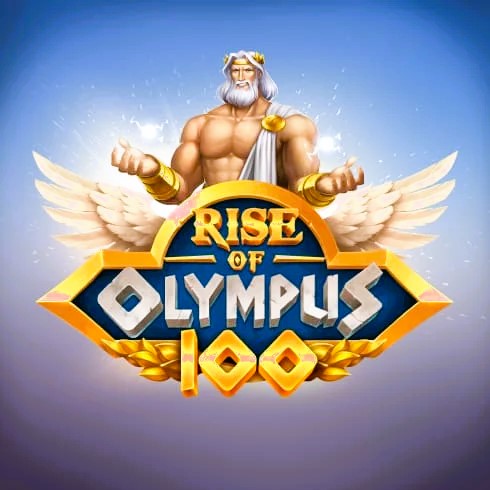
Als we de ontwikkelingsfase van gokken rise of olympus 100 beoordelingen of Olympus 100 bekijken, is het duidelijk dat deze game klaar is voor succes op de Nederlandse markt. De mix van grote schommelingen en rijke thematische elementen wijst op een solide aanpak om spelers te boeien. We mogen de mogelijke invloed van de bijzondere spelmechanismen en indrukwekkende grafische elementen niet negeren. Maar wat maakt de game nu echt uniek? Laten we de belangrijkste kenmerken en hun waarde voor gebruikers en de sector eens nader bekijken.
Kernbevindingen
- De boeiende mythologie en unieke gameplay van Opkomst van Olympus 100 zouden wel eens voor een hoge vraag op de Nederlandse gamemarkt kunnen zorgen.
- De hoge volatiliteit van het spel trekt verschillende spelersstrategieën aan, wat de aantrekkingskracht op de markt vergroot.
- Voor een geslaagde invoering van het spel moeten de wettelijke uitdagingen in Nederland worden opgelost.
- Concurrerende ontwikkelaars zullen wellicht proberen het innovatieve ontwerp en de spelmechaniek van Olympus te kopiëren.
- De voortdurende betrokkenheid van spelers via demoversies kan input leveren voor komende bijwerkingen en verbeteringen van het game.
Overzicht van Opkomst van Olympus 100
Bij het verkennen van Rise of Olympus 100 zien we een fascinerende mix van mythische elementen en hedendaags spelontwerp die spelers in zijn greep houdt. De game is sterk beïnvloed door de klassieke Griekse mythologie, die niet alleen als esthetische achtergrond dient, maar ook de spelervaring beïnvloedt. Karakter als Zeus, Hades en Poseidon komen in beeld en verweven hun legendarische kenmerken in spelmechanica die de engagement van de speler vergroten.

Uit data blijkt dat spelers steeds meer aangetrokken worden tot verhalen die geworteld zijn in legenden, en Rise of Olympus 100 speelt hierop in door een boeiende ervaring te creëren. De gameplay-elementen, die voortkomen uit deze legendarische invloeden, stimuleren strategisch denken en interactie, wat resulteert in een aantrekkelijke mix van entertainment en uitdaging. De manier waarop deze elementen samenkomen, onderscheidt deze game echt in het voortdurend evoluerende gaminglandschap.
Hoofd kenmerken en werking
Bij het verkennen van de voornaamste kenmerken en mechanismen van de Rise of Olympus-gokkast, zien we hoe unieke spelsymbolen de toon zetten voor een boeiende spelervaring. De bonusspelmechanismen introduceren tactische elementen, wat de interactie en betrokkenheid van spelers vergroot. Bovendien creëren de hoge volatiliteitsfuncties een spanningsverhogende situatie die zowel thrillseekers als tactische spelers aanspreekt.
Bijzondere spelsymbolen
Als we de bijzondere spelsymbolen van de Rise of Olympus-gokkast bekijken, valt ons al snel op hoe hun ontwerp en mechaniek de spelervaring versterken. Het spel is rijk aan mythologische beelden, met goden als Zeus, Poseidon en Hades, wat spelers niet alleen boeit, maar ook de thematische betrokkenheid vergroot. Elk spelsymbool is zorgvuldig ontworpen om aan te sluiten bij legendarische verhalen, waardoor onze band met de oude overleveringen wordt versterkt. Bovendien zijn de symbolen niet alleen visueel aantrekkelijk, maar ook functioneel. Zo hebben bepaalde symbolen specifieke eigenschappen die de speldynamiek beïnvloeden en tactische keuzes vergemakkelijken. Deze wisselwerking tussen esthetiek en mechaniek zorgt ervoor dat we het spel op meerdere niveaus kunnen waarderen, waardoor een rijk geheel ontstaat dat ons algehele plezier en begrip van de ontwerpfilosofie van de gokkast vergroot.
Bonusspelmechanismen
Voortbouwend op de oogstrelende visuals van de specifieke spelsymbolen, verhogen de bonusmechanismen in Rise of Olympus de sensatie en inzet nog verder. Deze mechanismen bieden spelers niet alleen spelbonussen, maar vereisen ook een doordachte aanpak om de kansen op winst te vergroten. Met een stevige bonusstrategie krijgen we toegang tot diverse betrokken functies die onze kansen op het behalen van meerlaagse beloningen aanzienlijk vergroten. Zo voegt de actieve functie van de goden, die elk hun eigen bijzondere vaardigheden bieden, complexiteit toe aan de spelervaring. Daarnaast houdt het cascade-mechanisme ons op het puntje van onze stoel, omdat het continue winsten met één enkele draai mogelijk maakt. Kortom, deze goed uitgewerkte bonusmechanismen zijn essentieel om Rise of Olympus te meesteren en maximaal speelplezier te beleven.
Kenmerken van hoge volatiliteit
Het is een voelbare spanning om de hoge volatiliteit van Rise of Olympus te doorgronden. Deze eigenschappen zijn ontworpen om de spelervaring te verrijken door middel van een evenwichtige afweging tussen gevaar en beloning. Bij gokkasten met hoge volatiliteit komen grote uitbetalingen minder vaak voor, waardoor we strategische spelstrategieën moeten toepassen. We kunnen aanzienlijke winsten behalen door optimaal gebruik te maken van de neervallende rollen en de bonusfuncties die op het juiste moment tevoorschijn komen, waardoor onze kansen op kritieke momenten toenemen. Naarmate we ons meer in deze intense spelervaring storten, moeten we ons bovendien klaarmaken op schommelingen in ons saldo, wat het onvermijdelijke risico weerspiegelt. Het doorgronden van deze elementen wakkert niet alleen onze spanning aan, maar helpt ons ook bij het nemen van beslissingen. Zo kunnen we ons spel verbeteren en de opwindende hoogte- en dieptepunten van Rise of Olympus het hoofd bieden.
Grafische en ontwerpelementen
Als we de grafische en ontwerpelementen van de Rise of Olympus-gokkast bekijken, kunnen we de verbluffende grafische esthetiek die spelers fascineert niet negeren. De kwaliteit van de animaties verbetert de gameplay, waardoor elke draai levendig en boeiend aanvoelt. We zullen analyseren hoe deze componenten niet alleen de totale ervaring verbeteren, maar ook de betrokkenheid en het retentie van spelers invloed hebben op.
Overzicht van grafische esthetiek
We kunnen drie reddit.com belangrijke aspecten van het visuele ontwerp identificeren:
- Kleurenpalet
- Symboolontwerp
- Achtergrondkunst
Deze elementen gezamenlijk zorgen voor een boeiende ervaring, waardoor Rise of Olympus een uitstekende titel is in onze uitgebreide collectie.
Beoordeling van de kwaliteit van animaties
Voortbouwend op de weelderige visuele elementen van Rise of Olympus, speelt de animatiekwaliteit een essentiële rol in het verhogen van de spelervaring. Onze animatie-evaluatie laat zien dat de vloeiende bewegingen van personages en symbolen een grote impact hebben op de engagement van spelers. We zien hoe elke animatiesequentie bijdraagt aan de visuele storytelling, waardoor spelers worden geabsorbeerd in een verhaal dat verweven is met de gameplaymechanieken. Kritieke meetwaarden, zoals de stabiliteit van de framerate en de volheid aan details, bevestigen de algemene ontwerpkwaliteit. Bovendien verhogen dynamische animaties tijdens bonusrondes de sensatie en de thematische elementen. Door deze factoren zorgvuldig te analyseren, kunnen we inzien hoe een superieure animatiekwaliteit niet alleen de esthetiek verhoogt, maar ook de engagement en tevredenheid van spelers verhoogt, waardoor Rise of Olympus zich onderscheidt in een strijdlustige markt.
Thematische symbolen en personages
De symbolen en personages in de Rise of Olympus-gokkast onderdompelen spelers naar een mythologische wereld waar elk element deelneemt aan het verhaal en de spelmechanismen. Met aantrekkelijke personageontwerpen en thematische symbolen raken we gecharmeerd door de gedetailleerde details. Laten we drie essentiële aspecten van deze elementen eens nader bekijken:
- Diverse symbolen
- Visuele weergave
- Gameplay-integratie
Potentiële impact op de Nederlandse kansspelmarkt
Naarmate de Rise of Olympus-slotmachine aan populariteit wint, wordt de potentiële impact ervan op de Nederlandse spelmarkt steeds groter. Deze game vertegenwoordigt een strategische zet voor groei van de markt, gericht op een doelgroep die openstaat voor creatieve speelervaringen. Een hogere spelersbetrokkenheid is te verwachten, aangezien interessante onderwerpen en speelmechanismen zowel beginnende als geoefende spelers zullen aanspreken. We moeten echter ook rekening houden met de regulatoire uitdagingen die dergelijke vooruitgangen met zich meebrengen. De Nederlandse markt staat bekend om zijn strenge regelgeving, die van invloed kan zijn op de manier waarop uitbaters de spel implementeren. Bovendien zal het competitieve landschap ongetwijfeld veranderen, aangezien andere ontwikkelaars er alles aan zullen doen om de aantrekkingskracht van Olympus te evenaren, wat mogelijk zal leiden tot een stroom van nieuwe titels. Uiteindelijk zou deze gokkast de Nederlandse gokomgeving op meerdere manieren kunnen hervormen.
Verwachte releasedatum en verkrijgbaarheid
Momenteel kijken veel spelers reikhalzend uit naar de formele uitgave van de Rise of Olympus-speelautomaat, die naar verwachting begin 2024 zal plaatsvinden. Bij een analyse van de toekomstige verkrijgbaarheid van het titel vallen een aantal essentiële factoren op.
- Promoties voorafgaand aan de release
- Mobiele geschiktheid
- Wettelijke conformiteit
Deze factoren zullen niet alleen onze opwinding bepalen, maar ook van invloed zijn op hoe we de Rise of Olympus-slot spelen. De aankomende release biedt ons begin volgend jaar een nieuwe kans om creatieve spelervaringen te ontdekken.
Tips voor spelers om optimaal van het spel te genieten
Nu de Rise of Olympus-gokkast binnenkort uitkomt, kunnen we alvast nadenken over methoden om onze spelervaring te verbeteren. Laten we allereerst gebruikmaken van data-gedreven spelstrategieën door de volatiliteit te bestuderen en te bepalen of we de voorkeur geven aan regelmatige, kleinere winsten of aan hogere, minder regelmatige uitbetalingen. Daarnaast is het verstandig om speltips te bekijken, zoals het vaststellen van een budget en je daaraan houden; dit bevordert niet alleen bewust spelen, maar verlengd ook onze speeltijd. Het spelen van demoversies kan ons nuttige inzichten geven in de spelmechanismen, waardoor we effectieve strategieën kunnen ontwikkelen. Tot slot kan het bekijken van de bonusfuncties en de symbolen die deze in gang zetten onze winstkansen behoorlijk vergroten. Door deze aspecten te analyseren, creëren we een prettige en lonende spelervaring wanneer het spel wordt gelanceerd.
Conclusie
Samenvattend is Rise of Olympus 100 goed gepositioneerd om een significante speler te worden op de Nederlandse gamingmarkt. Met zijn boeiende mix van hoge wisselvalligheid, creatieve mechanieken en rijke thematische elementen verwachten we een krachtige toename in interesse en deelname van spelers. Naarmate de ontwikkelaars het spel verder verfijnen, zijn we benieuwd hoe het onze game-ervaring zal beïnvloeden. Door de bijzondere kenmerken te aannemen, kunnen spelers optimaal genieten van dit enerverende nieuwe spel en mogelijk substantiële beloningen behalen.