Phantom on the Web: How to Use a Browser Wallet for Solana (Safely)
Whoa! I clicked into a dApp last week and wondered why every prompt wanted me to “connect with your wallet” through a webpage. Interesting moment. My first thought was: are we really going back to past mistakes where people paste seeds into sites? Hmm… This piece is for people who want a web-based Phantom experience on Solana — what works, what’s risky, and what I actually use when I care about my funds.
Phantom started as a browser extension and mobile app. Short answer: the safest web experience is usually the extension or the official mobile app paired with hardware. Really? Yes. On one hand, web wrappers that let you enter a seed phrase on a site feel convenient. On the other hand, they’re the exact vector phishers love.
Initially I thought a web-only Phantom would be neat, because quick access is tempting. But then I dug in. Phantom’s UX relies heavily on browser integration (like WebCrypto and extension messaging), and when something impersonates that via a webpage it can mimic the flow — and that mimicry is dangerous. Actually, wait—let me rephrase that: the mimicry isn’t inherently malicious, but it is easy for adversaries to exploit because users expect the same prompts they get from legitimate extensions.
Here’s what bugs me about the current chatter: many posts casually say “use the web wallet” without clarifying whether that wallet is the official product or a third-party service. I’m biased, but I prefer the extension plus a hardware wallet for high-value transactions. Somethin’ about a hardware key just settles me. The web layer can be an interface, sure, though it should never be where you enter your unrecoverable secrets.
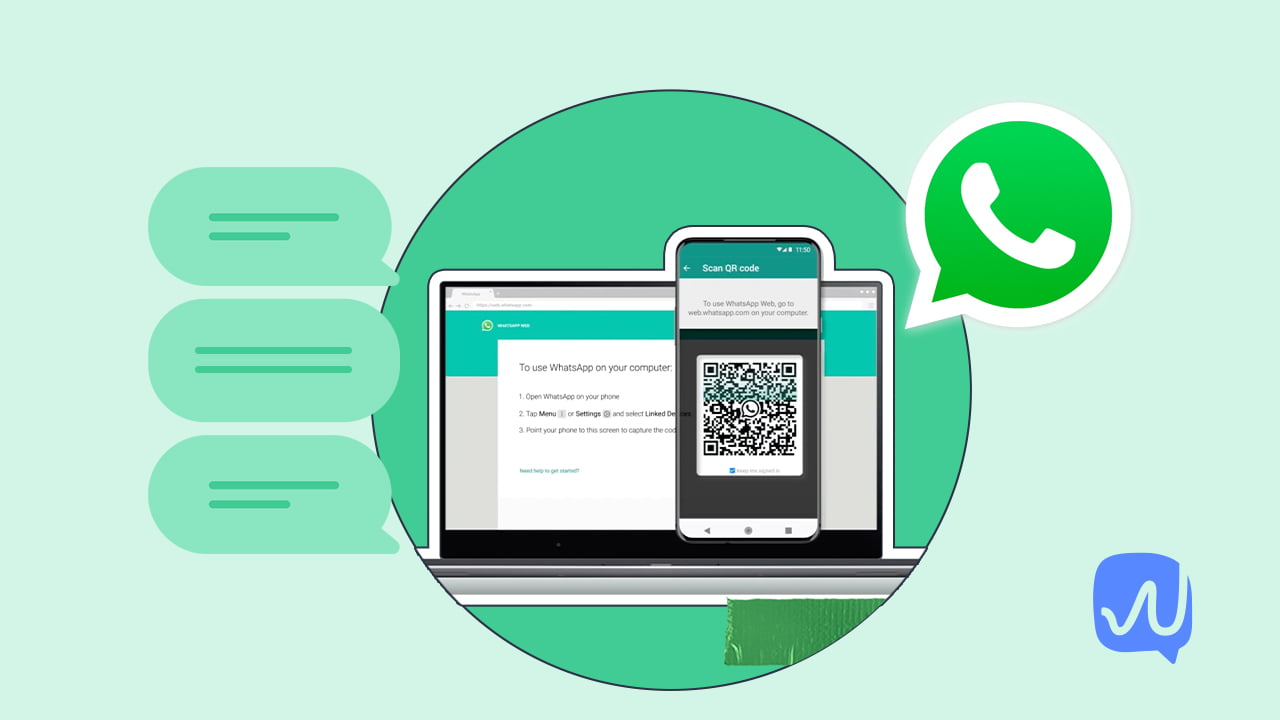
Web phantom — official, unofficial, and the ugly middle
There are three practical categories you’ll run into when hunting for a “web Phantom”: official interfaces backed by Phantom Labs, third-party web wallets that integrate Phantom-like flows, and outright phishing clones. On the official side, Phantom’s team has focused on extension and mobile. On the unofficial side, some services wrap wallet-adapter libraries to offer in-browser signing experiences. And then… the clones. Ugh. Be careful.
Check this out—if you want to experiment with a web wrapper or try alternatives, poke around resources like https://web-phantom.at/ but don’t blindly paste your seed anywhere. Seriously? Yes. Treat every page that asks for a full secret phrase as though it’s a phishing site until proven otherwise.
Practical rules I follow personally: never input a seed into a webpage, prefer wallet connect patterns that redirect to your extension or mobile app, and if a site requests signature approvals for token transfers, read them. On one hand UX flows make signing feel trivial. On the other hand careless approvals are how funds walk away.
One small tip—use a throwaway account when testing new web wallet UIs. I do this all the time in a quiet coffee shop in San Francisco when I’m prototyping. It’s low stress, and if somethin’ goes sideways I lose five bucks and a demo token, not my main stash.
How the web flow usually works (and how it can be safe)
Most honest web wallet experiences use a wallet-adapter or a connection flow that triggers a trusted extension or mobile deep link. The dApp asks the adapter to request a signature. The adapter then delegates to your extension or app. Longer sentence: because the signing occurs in a trusted environment that holds your key material (for example the browser extension using native OS crypto or a hardware wallet connected through USB/BLE), the web page never sees your raw private key and thus cannot directly exfiltrate it.
But here’s the catch: if the web service is pretending to be a wallet and it asks you to “import your seed to continue”, that’s a red flag. That request is unnecessary if you already use a legitimate extension. So when a webpage asks for seed phrases, close the tab. No ceremony. No negotiation.
On a technical note, Ledger and other hardware wallets can integrate with Phantom through the extension; that gives you web-based UX while your key remains on device. That combo is my go-to for mid-to-high value trades because the signature confirmation is physical and explicit.
Okay, so what’s practical for everyday users? Use the official extension from the Chrome Web Store or the Firefox Add-ons site. Use the official mobile app for on-the-go. And for web-only convenience, prefer sites that redirect to your wallet adapter rather than asking to store keys.
Red flags and “do not” list
Short list so you remember it: never paste your 12/24-word phrase into a website, don’t download wallets from unofficial stores, and avoid signing broad “manage all tokens” approvals unless you truly understand the allowance. Really important: if an interface promises “instantly recover all wallets via web import”—walk away. That promise is a siren song for bad actors.
Also, check the domain carefully. Phishing sites often differ by one letter, or use weird TLDs to trick you. I’m not 100% paranoid, but I am suspicious enough to open another tab and type the official domain myself when in doubt. Sometimes I jab at the extension icon first just to confirm it’s alive and connected. Very very important habit.
If you already interacted with a suspicious web wallet: freeze assets if possible, move funds (after completing checks) to a new address created on a trusted device, and revoke approvals you don’t recognize via trusted explorers or the extension UI. This process can be annoying but it’s better than losing funds.
FAQ
Can I use Phantom entirely in my browser without an extension?
You can use web interfaces that leverage wallet adapters, but the safest pattern is still to have a trusted signer (an extension, mobile app, or hardware device). If a site tells you to import your seed into the page, that’s a no-go.
Is a web-based Phantom faster or more convenient than the extension?
Sometimes. Web UIs can feel faster for demos and quick swaps. Though convenience comes with risk; speed doesn’t protect you from scams. For real money, I prefer the slight friction of a hardware-confirmed signature.